
What researchers are telling us right now.
Big Ideas. Limited Funding. What Happens Next Matters.
-
What researchers are telling us right now.
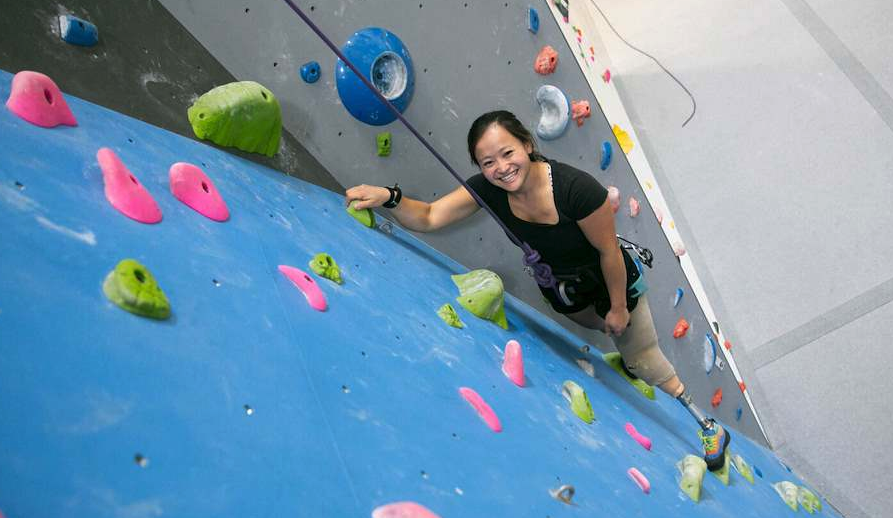
What gets survivors moving – and why it matters
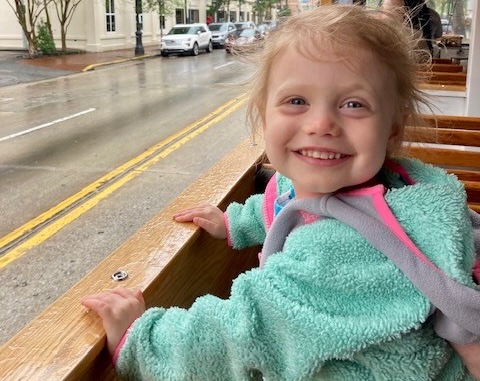
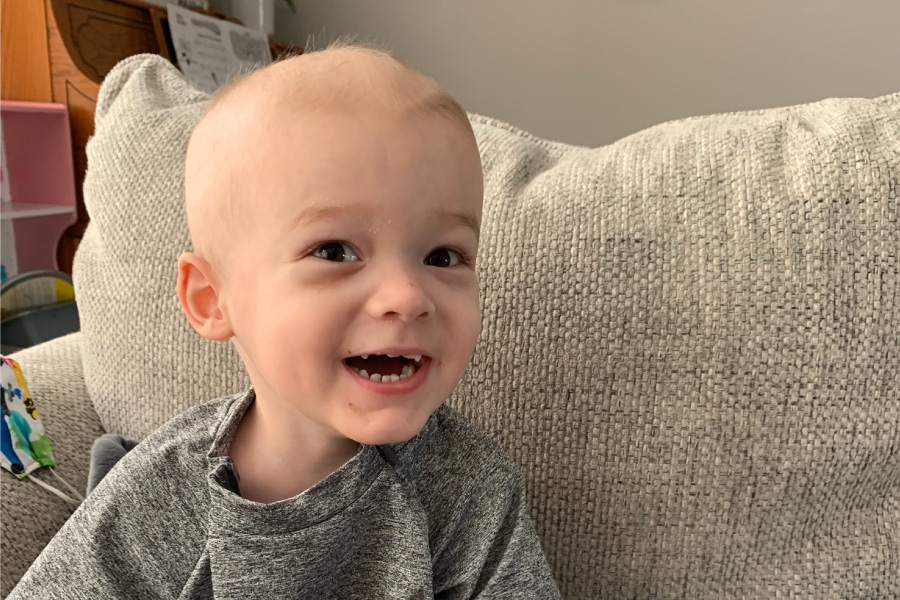
How Ella’s story is helping accelerate lifesaving childhood AML research.
Preparing next-generation of pediatric oncologists through lab work, skill-based training and mentorship.

This brain tumor clinical trial represents decades of research made possible by CCRF donors.
Five ways your support is fueling childhood cancer research.
Ewing sarcoma is dubbed “a spotted zebra” for being rare and unpredictable. Kids like Griffin and researchers from the University of Minnesota hunt for answers to outsmart this elusive foe.
More researchers than ever are turning to Children’s Cancer Research Fund for help.
12 years of progress and a look to the future – the Zach Sobiech Osteosarcoma Fund at CCRF has raised more than $4.4 million for safer, smarter treatments and hope for kids with cancer.
Two CCRF-funded projects aim to create safer, more effective options for children with acute myeloid leukemia (AML), a rare and aggressive childhood cancer.
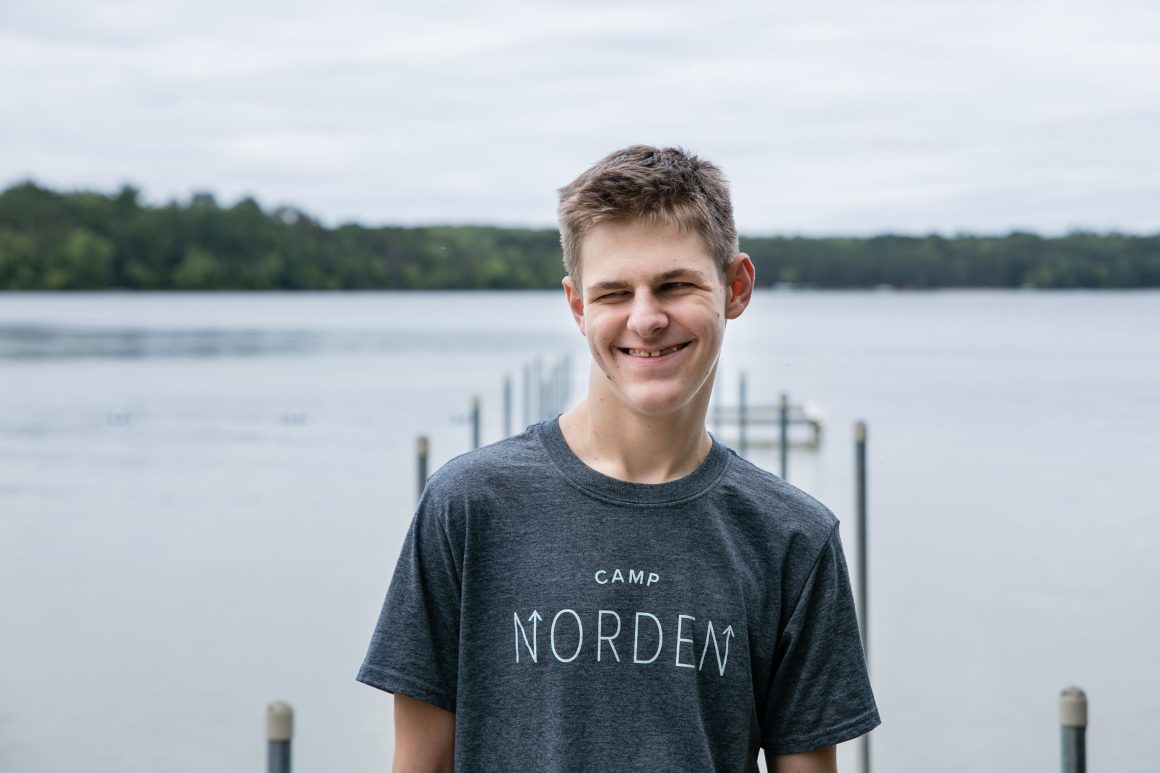
Children’s Cancer Research Fund invests in projects that look beyond kids simply surviving cancer – to futures of long-term health, healing and happiness.
Every time you give to Children’s Cancer Research Fund, children with cancer get one step closer to a cure – and to safer treatments, without lasting side effects.
Erin Marcotte, PhD, MPH, and Heather Nelson, PhD, MPH, of University of Minnesota are seizing the opportunity to turn small things into big hope for the future of childhood leukemia. In 2016, the pair received a grant from Children’s Cancer Research Fund (CCRF) to develop a new method to predict which children are at risk of developing acute lymphoblastic leukemia (ALL) — and perhaps one day prevent it.
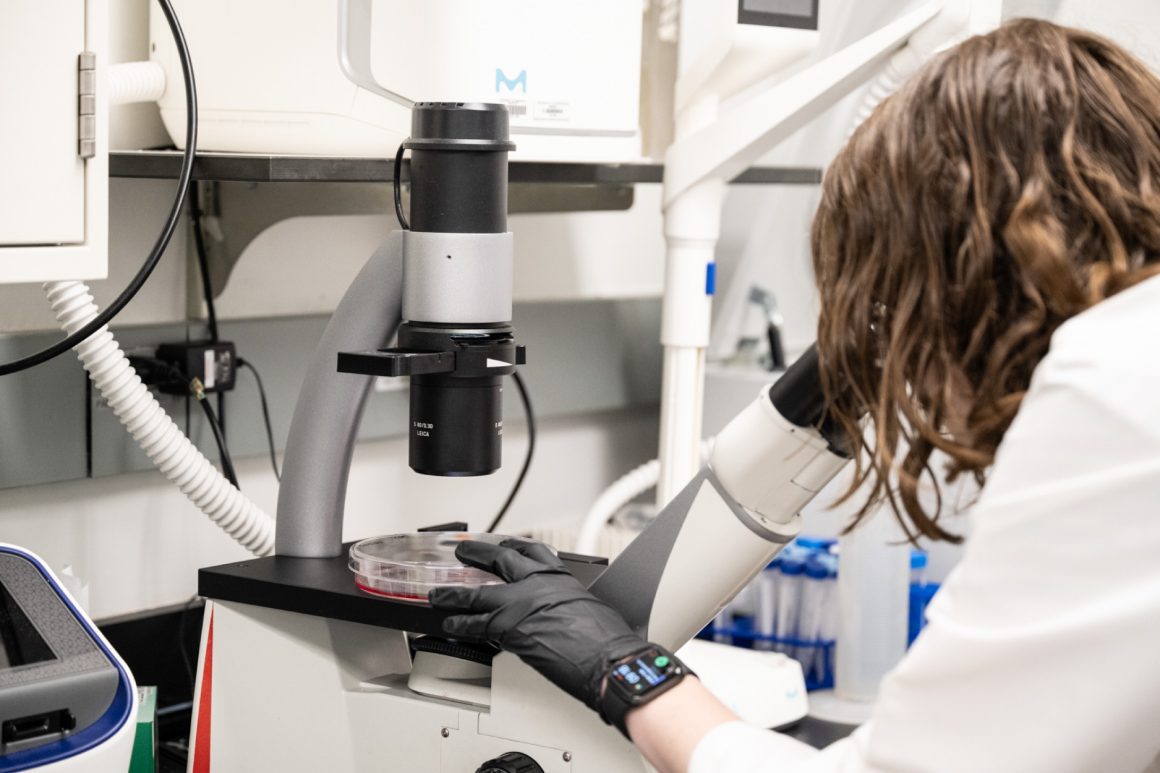
Using The Fight Osteosarcoma Together (FOT) Super Grant, funded in part by the Zach Sobiech Osteosarcoma Fund, Dr. Grohar will spend three years leading a research team to investigate a family of genes called MYC. His larger goal is to identify targeted treatments for osteosarcoma patients whose MYC genes have gone awry.
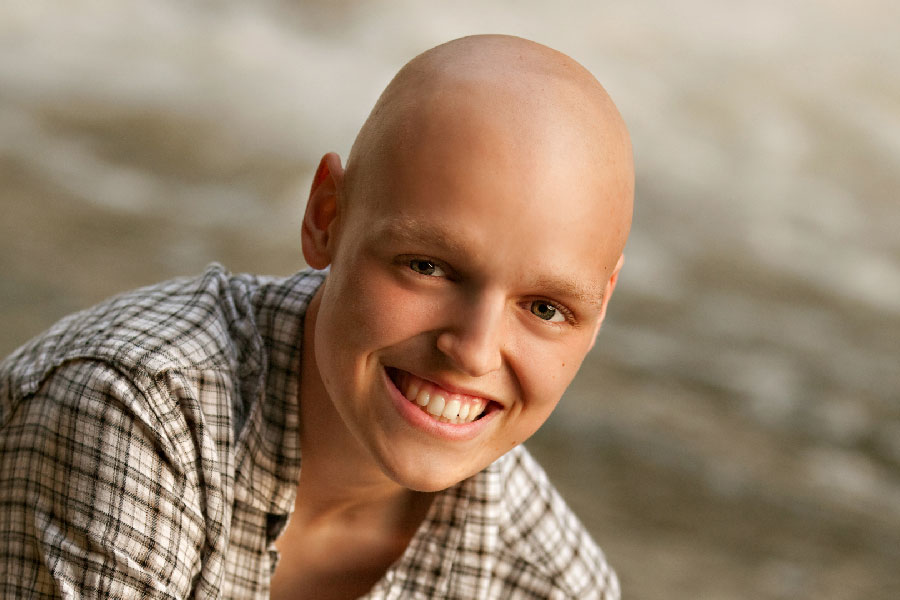
If we want to defeat osteosarcoma, a formidable bone cancer, we must put a powerful force behind research. That’s why CCRF’s Zach Sobiech Osteosarcoma Fund is proud to unite with five funding partners to back The Fight Osteosarcoma Together (FOT) Super Grant, a new three-year, $1.5 million dollar grant to fight recurring osteosarcoma.
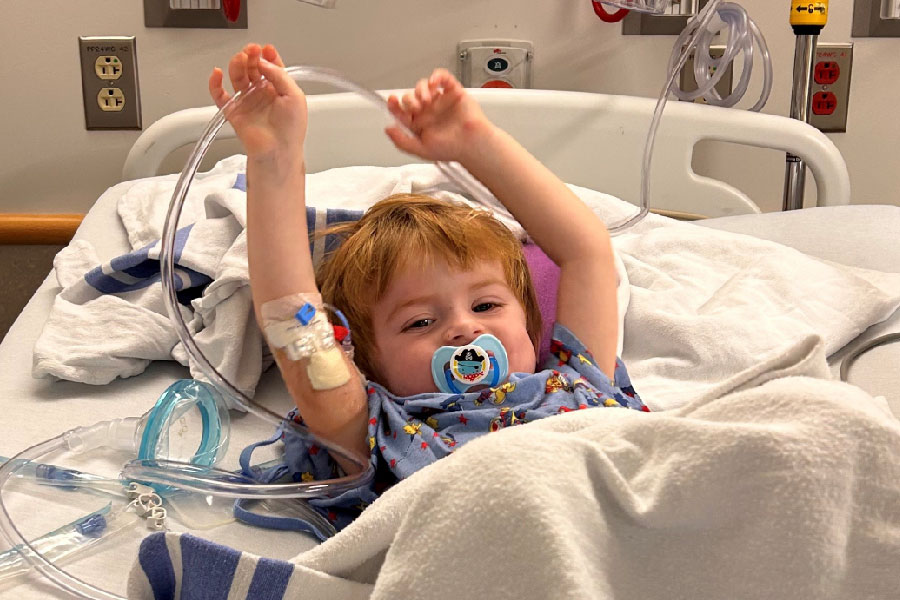
With support from an Accelerating Impact for Hard-to-Treat Cancer Award from Children’s Cancer Research Fund (CCRF), University of Virginia researcher John Bushweller is pursuing an innovative new way to treat this devastating disease. Bushweller has found that blocking the MLL protein from binding to DNA stops leukemia cell growth completely — like corking a bottle so that nothing can spill out. Now he and his team at UVA Cancer Center are developing drugs to disrupt the DNA binding process.
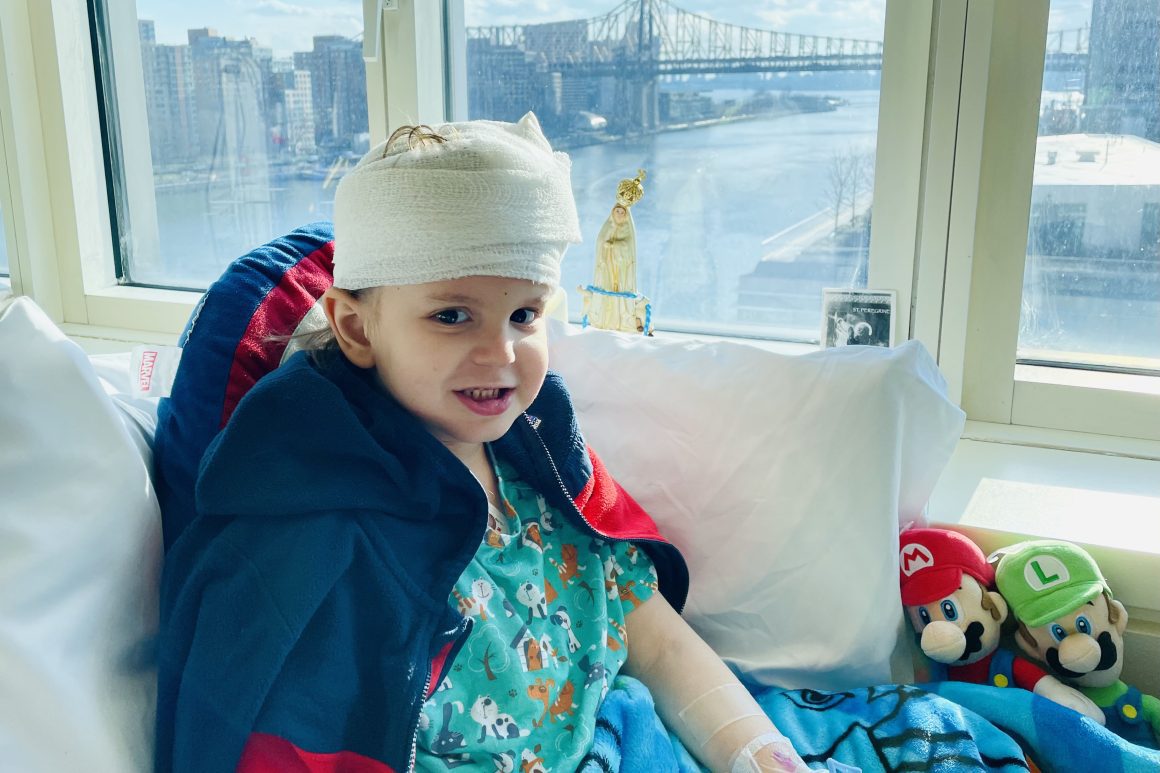
As young Jonah fought embryonal tumor with multilayered rosettes (ETMR), a very rare and aggressive pediatric brain tumor, he returned to the operating room at Weill Cornell Medicine Brain & Spine Center again and again. But the tenacious tumor kept coming back — and pediatric neurosurgeon Jeffrey Greenfield, MD, PhD, recognized the opportunity that presented on the laboratory bench.
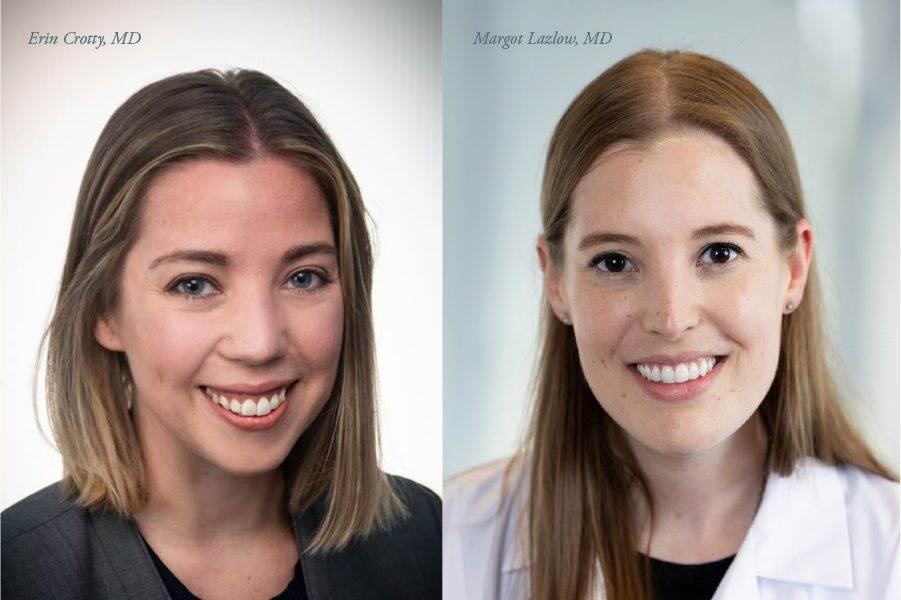
Drs. Erin Crotty and Margot Lazow were motivated by their young, resilient patients to spend their careers studying some of the most difficult-to-treat and deadly cancers: brain tumors.