The power of seed funding: CCRF-funded leukemia screening project lands NIH grant
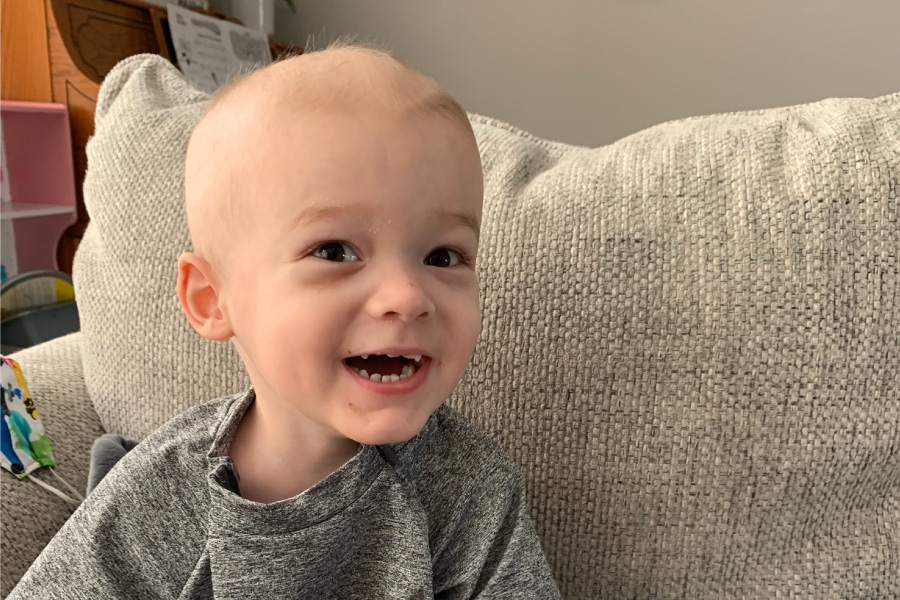
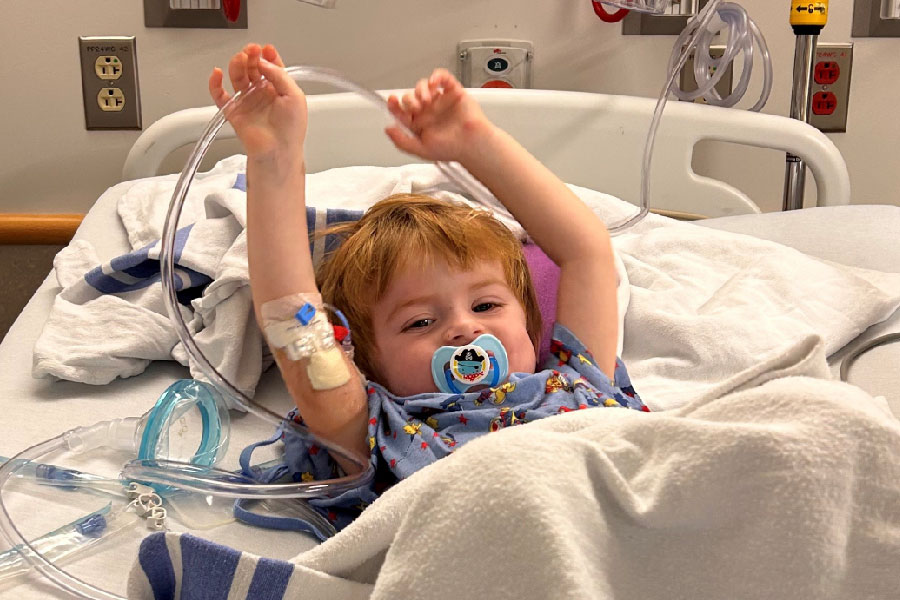
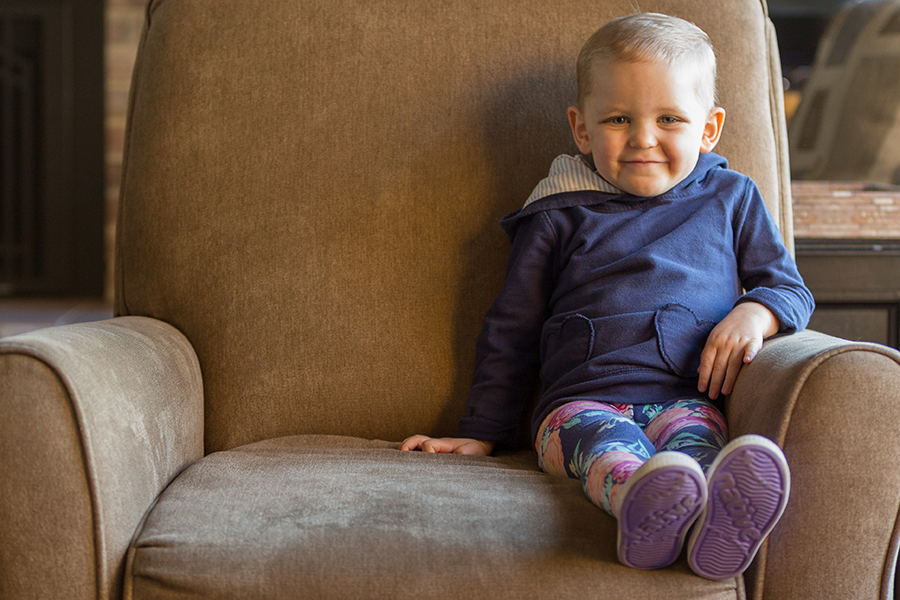
Noah, leukemia survivor

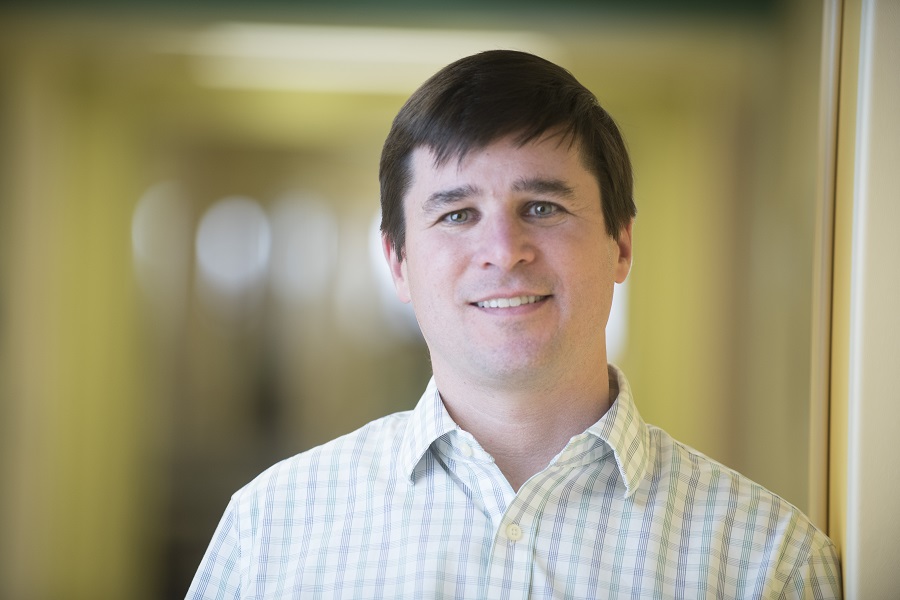
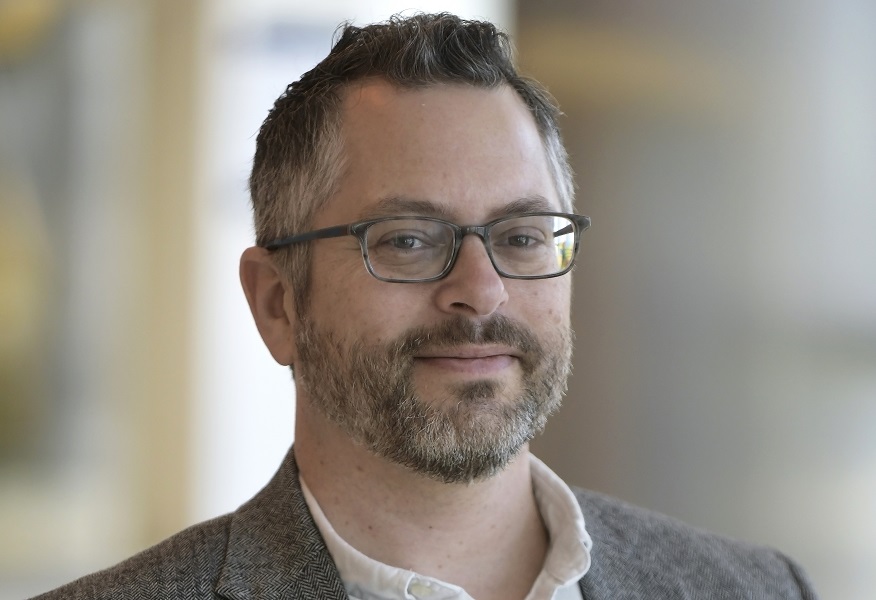
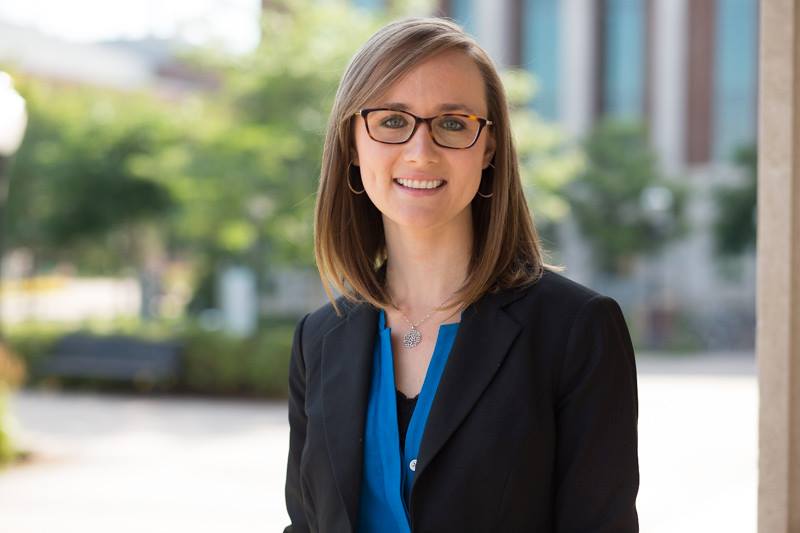
Erin Marcotte, PhD, MPH, and Heather Nelson, PhD, MPH, of University of Minnesota are seizing the opportunity to turn small things into big hope for the future of childhood leukemia. In 2016, the pair received a grant from Children’s Cancer Research Fund (CCRF) to develop a new method to predict which children are at risk of developing acute lymphoblastic leukemia (ALL) — and perhaps one day prevent it.

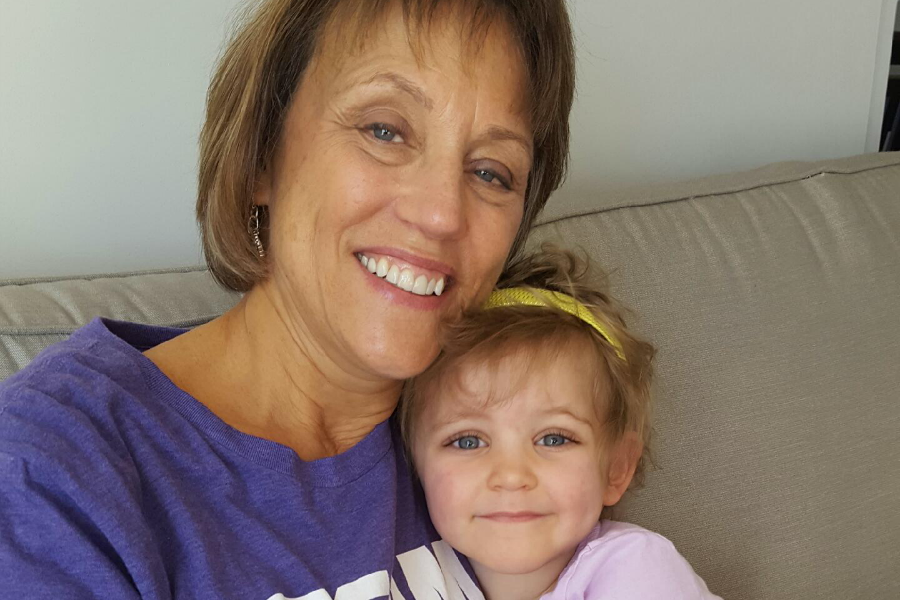
Bone marrow recipient Ella is flower girl in her donor’s wedding

Ella had a very aggressive form of acute myeloid leukemia, and neither of her siblings were a marrow match. Even after the transplant, she had only a 10% chance of making it past the one-year mark. But thanks to Cody’s whim decision in college to donate marrow, Ella was able to participate in his wedding as one of their flower girls three years after her transplant.

Developing a new way to stop the most aggressive leukemia

With support from an Accelerating Impact for Hard-to-Treat Cancer Award from Children’s Cancer Research Fund (CCRF), University of Virginia researcher John Bushweller is pursuing an innovative new way to treat this devastating disease. Bushweller has found that blocking the MLL protein from binding to DNA stops leukemia cell growth completely — like corking a bottle so that nothing can spill out. Now he and his team at UVA Cancer Center are developing drugs to disrupt the DNA binding process.

Engineering better treatments for AML

“This is a very innovative approach. Using precise gene editing, we hypothesize that we can change one protein in healthy hematopoietic stem cells and make it invisible to the antibody while preserving its physiologic function,” Genovese explained. “This would allow the administration of highly effective immunotherapies targeting a protein essential for cancer survival without the risk of severe toxicity on the healthy tissue.”

Treating Leukemia with Microbubbles

Texas Caroline de Gracia Lux , PhD at the University of Texas, Southwestern in Texas will use novel ultrasound technology to make acute lymphoblastic leukemia CAR-T cell treatment less toxic and improve the quality of life during treatment.  The problem: Currently, CAR T-cell immunotherapy is the best way to cure relapsed acute lymphoblastic leukemia, one of the most common cancers in children. Unfortunately, this type of …

CCRF Funds 9 New Research Projects

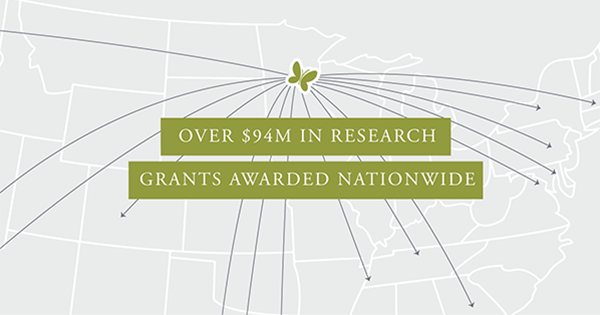
This September, your generosity, advocacy and awareness-building made a mighty big difference. This Childhood Cancer Awareness Month, CCRF awarded nine new research projects at different institutions across the country. This brings CCRF’s total to over $94 million in research grants nationwide. These 9 new research projects aim to: Investigate how a newly discovered regulatory pathway drives neuroblastoma development and creating targeted therapies to defeat the …

Targeting Chemoresistant Leukemia Cells

Sometimes, leukemia cancer cells are so powerful they can overcome the most potent of chemotherapies. Because of support in part by Children’s Cancer Research Fund’s donors, Peter Gordon, MD, PhD, an oncologist and researcher at the University of Minnesota, and his team could explore the reasons this happens, opening potential new avenues for treatment options for acute lymphoblastic leukemia (ALL) and more. According to Dr. …

Cancer Survival and Socioeconomic Status

Racial and ethnic disparities have long plagued health care, but according to Children’s Cancer Research Fund Chief Medical Advisor Logan Spector, PhD, no one knew quite how much or how exactly these disparities affected African-American and Hispanic children with cancer. So Dr. Spector’s team delved into this question: Why do African-American and Hispanic children die of cancer more often? Is the disparity caused by socioeconomic …