Could knowing genetic ancestry improve rhabdomyosarcoma outcomes?
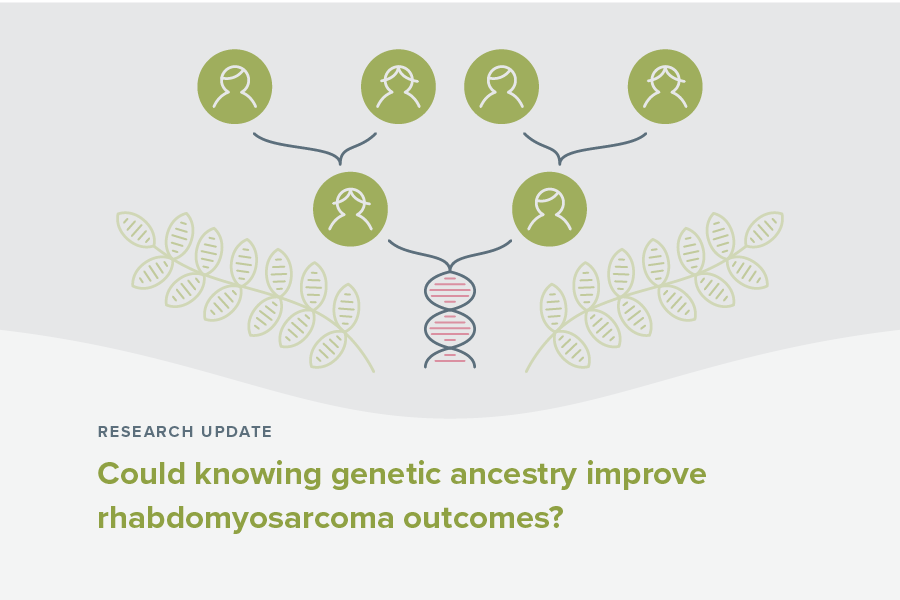
Unlike some other childhood cancers, the outlook for RMS patients has not improved in recent years: five-year survival rates are less than 70% and fall to 30% for kids whose cancer has metastasized. African American children with RMS face a 16% worse survival rate than their non-Hispanic white peers.

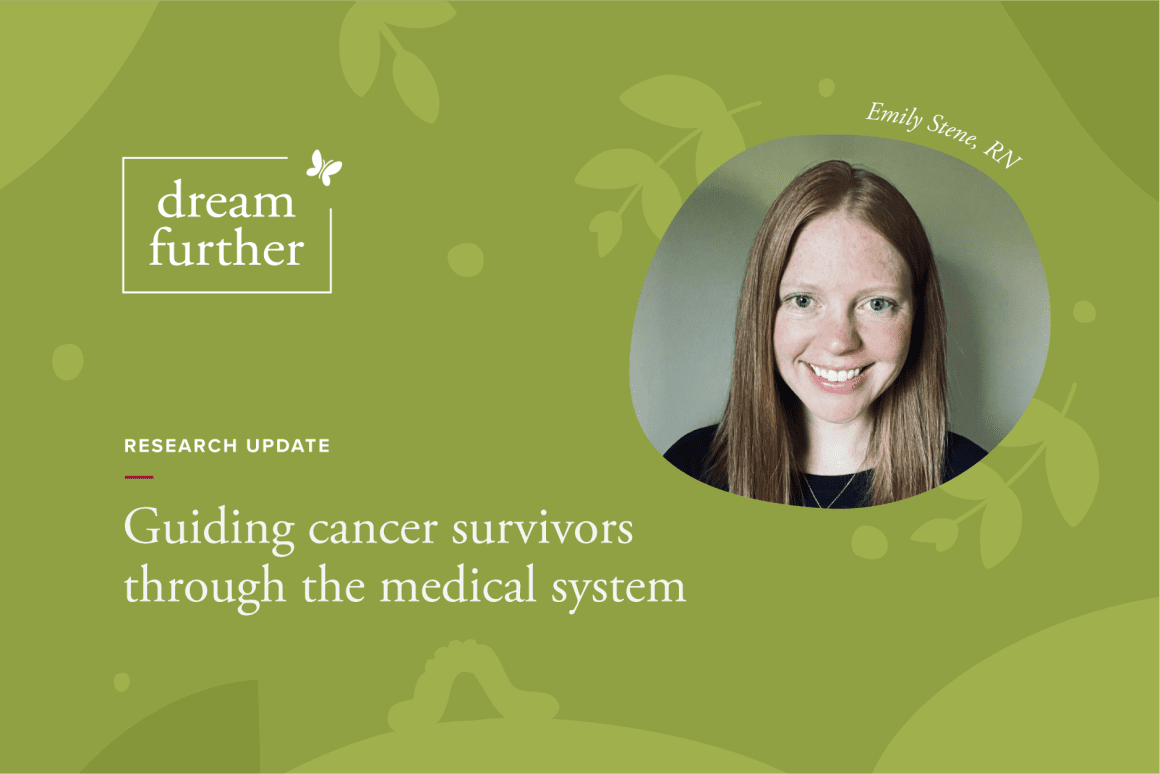
Emily Stene, RN, BSN – Guiding Cancer Survivors Through the Medical System

Anyone who has had to navigate the medical system knows it isn’t exactly a breeze. But it’s especially difficult for childhood cancer survivors, who often have complex medical histories that span years, include dozens of medications and procedures and often come with long-term side effects.   Emily Stene, RN, BSN, knows this all too well – she was driven to become an oncology nurse after surviving …

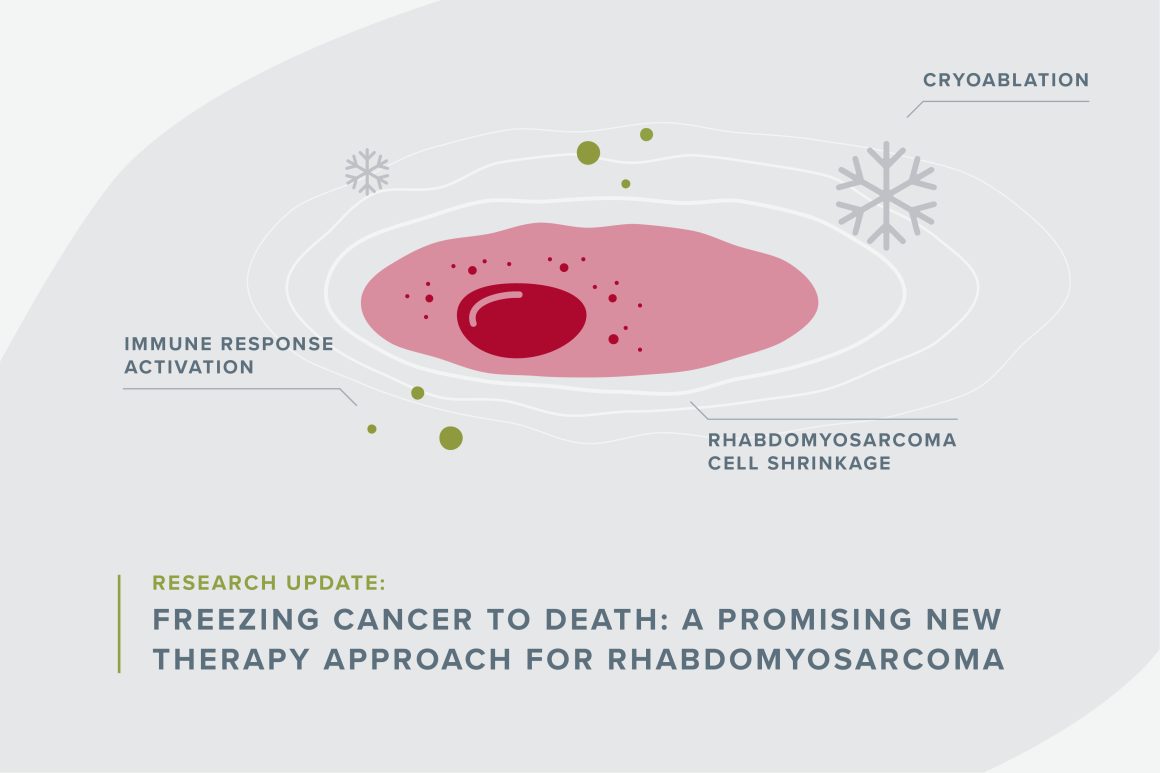
Freezing cancer to death: A promising new therapy for rhabdomyosarcoma

When you think of childhood cancer treatments, turning a tumor into an ice ball and melting it is probably not the first therapy that comes to mind. But Alex Huang, MD, PhD at Case Western Reserve University thinks the method could boost immunotherapy effectiveness for kids with rhabdomyosarcoma.

Improving access to cutting-edge cancer care

Growing up as the child of immigrants, Jenny Ruiz, MD, regularly went to the doctor’s office with her grandfather, a kidney transplant patient who spoke limited English. “Because of our socioeconomic and cultural background, he depended on his grandchildren to take him to his appointments and who often ended up interpreting for him,” she recalled. “So that was my introduction to medicine when I was 16 or 17. I saw a lot of things that needed to be improved, and I felt that I could take a role in making those improvements for future patients.”

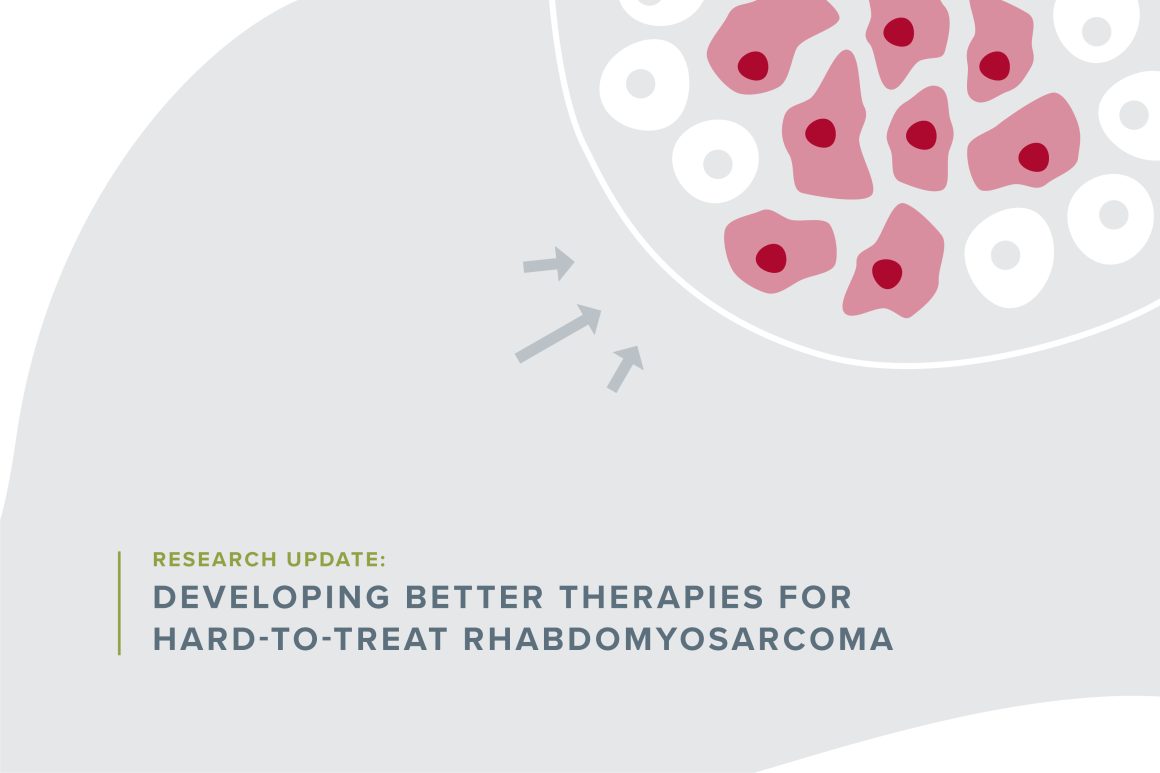
Developing better therapies for hard-to-treat rhabdomyosarcoma

Amit Sabnis, MD, still remembers one of the first patients he cared for as an oncology fellow. The young man survived rhabdomyosarcoma, a childhood muscle cancer. But that cure required high doses of radiation that later caused another sarcoma — one that eventually took the young man’s life.

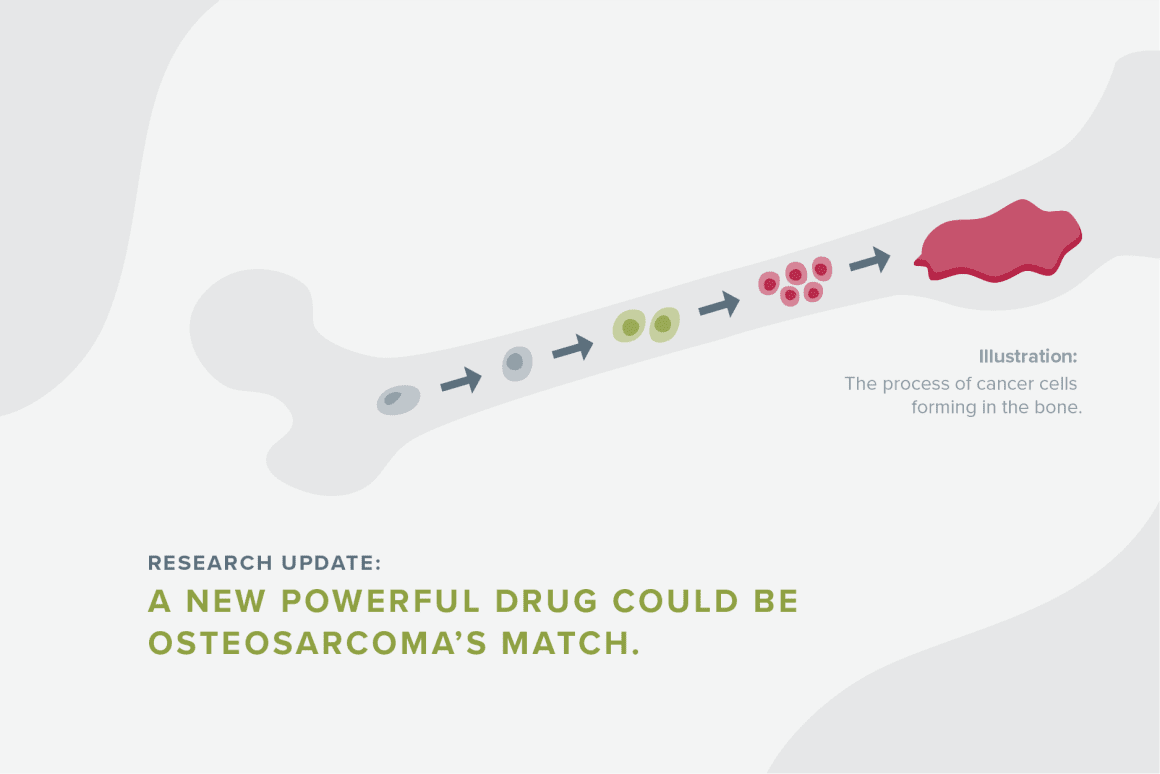
A powerful new drug could be osteosarcoma’s match

Alex Huang, MD, PhD has searched unceasingly for readily available drug options that could cure osteosarcoma in its deadliest form, so kids won’t continue losing their lives to ineffective drugs — the same ones that failed his cousin decades ago.

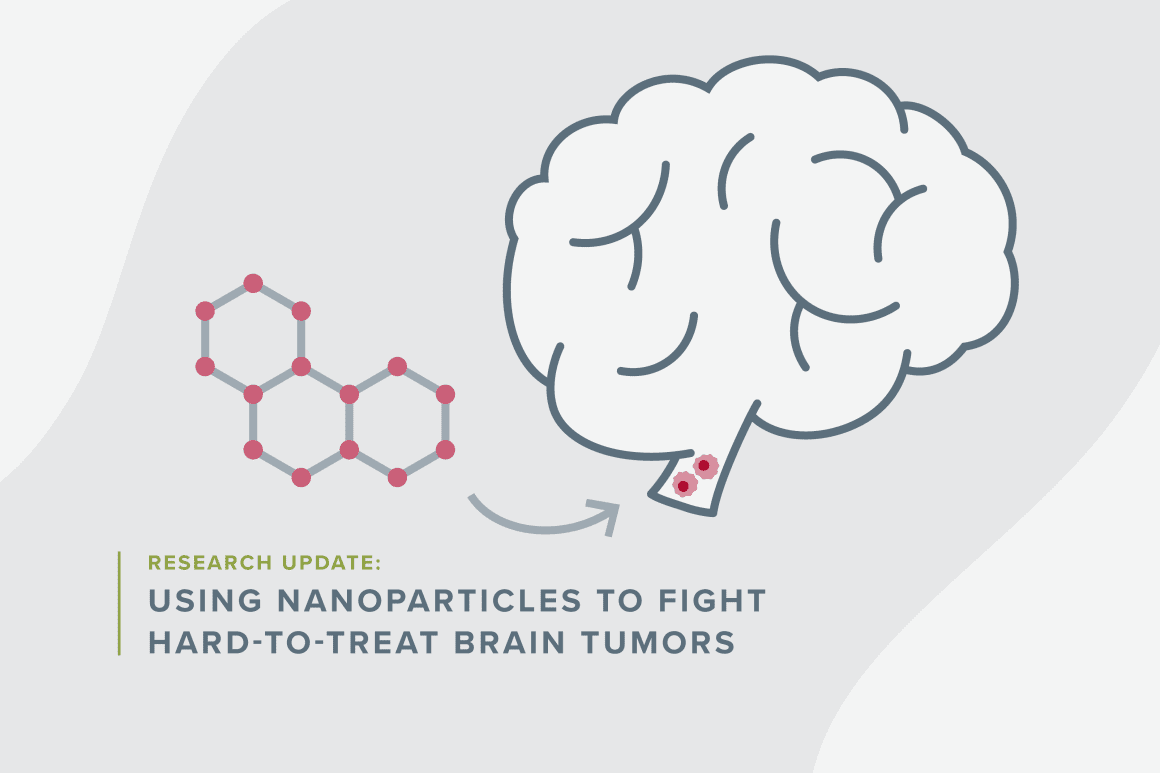
Using nanoparticles to fight hard-to-treat brain tumors

Pediatric neurosurgeon Peter Chiarelli, MD, PhD, who leads the Nanoscaled Neuro-technology Research Group at Children’s Hospital Los Angeles, is determined to find innovative ways to defeat diffuse intrinsic pontine glioma (DIPG), a rare and currently incurable brain cancer.

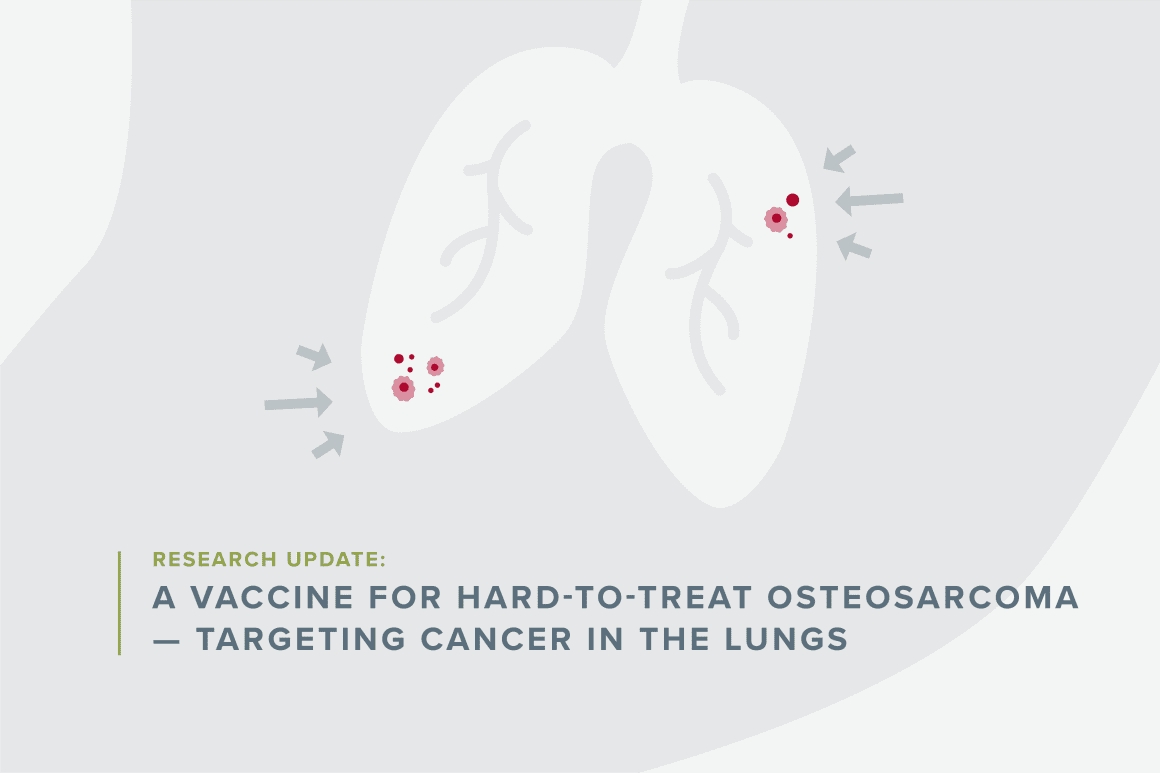
A vaccine for hard-to-treat osteosarcoma

Dr. Kleinerman is a professor of Pediatrics and Cancer Biology at University of Texas M.D. Anderson Cancer Center. With support from an Accelerating Impact for Hard-to-Treat Cancer Award from CCRF, she’s developing a novel vaccine to treat osteosarcoma that has spread to the lungs.

CCRF Awards Eight New Emerging Scientists

Through a selective granting process, Children’s Cancer Research Fund (CCRF) recently awarded these eight promising scientists the Emerging Scientist Award, each worth $100,000, to pursue their research.

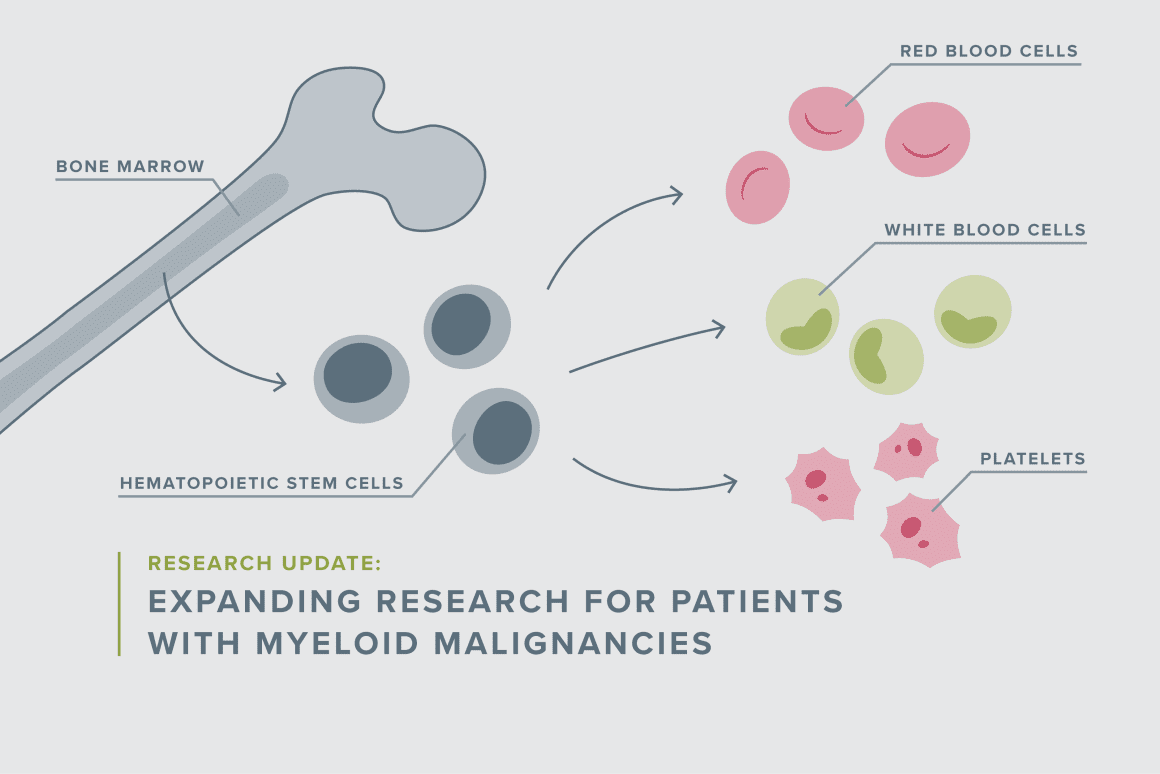
Expanding research for kids with myeloid malignancies

Dr. Jessica Pollard is determined to solve a puzzle: myelodysplastic syndrome (MDS), a bone marrow disorder that affects the development of healthy blood cells. It can occur because of a genetic disposition or develop after chemotherapy. “MDS is a condition that’s very rare in kids, and it’s associated with poor prognosis,” Pollard said. “We don’t know how best to treat it, and treating it just like AML [acute myeloid leukemia] is probably not the right approach.”

The Top Five Research Projects We’re Watching This Childhood Cancer Awareness Month

Childhood cancer is a big problem to solve – there are more than 12 types and more than 100 different subtypes of childhood cancer.

This means when it comes to solving the problem of childhood cancer – it takes all of us. It takes childhood cancer families, researchers, doctors, care teams, and communities to take steps towards better, safer cancer treatments for kids.

And thanks to you, we’re taking those steps. This Childhood Cancer Awareness Month, we’re celebrating these five research projects you helped us fund in 2022.

Two ways to take aim at childhood brain tumors

Dr. Okay Saydam, MSc, PhD, a researcher at the University of Minnesota, has been working on ways to beat brain tumors for the past 15 years. Thanks to Dream donors like you, he is taking aim at lethal brain tumors, including glioblastomas and another type of brain tumor called medulloblastoma. He will be doing this in two different ways: by catching and diagnosing them earlier and by finding ways to break down their strong, chemoresistant defenses with a new, more targeted drug. 

Targeting high-risk neuroblastoma in kids

When targeted therapies first began to emerge on the adult oncology scene, Anthony Faber, PhD was ecstatic about the possibilities. But after becoming a father, he wondered: How long would kids have to wait before getting their turn at less-toxic cancer treatments?

CCRF’s new award aims to close gaps in childhood cancer research and outcomes 

Through a new partnership with the Diversity and Health Disparities Committee of the Children’s Oncology Group (COG), Children’s Cancer Research Fund will award young investigators the funds to pursue research in childhood cancer disparities, to better understand why children of color experiencing cancer have worse outcomes than white children.

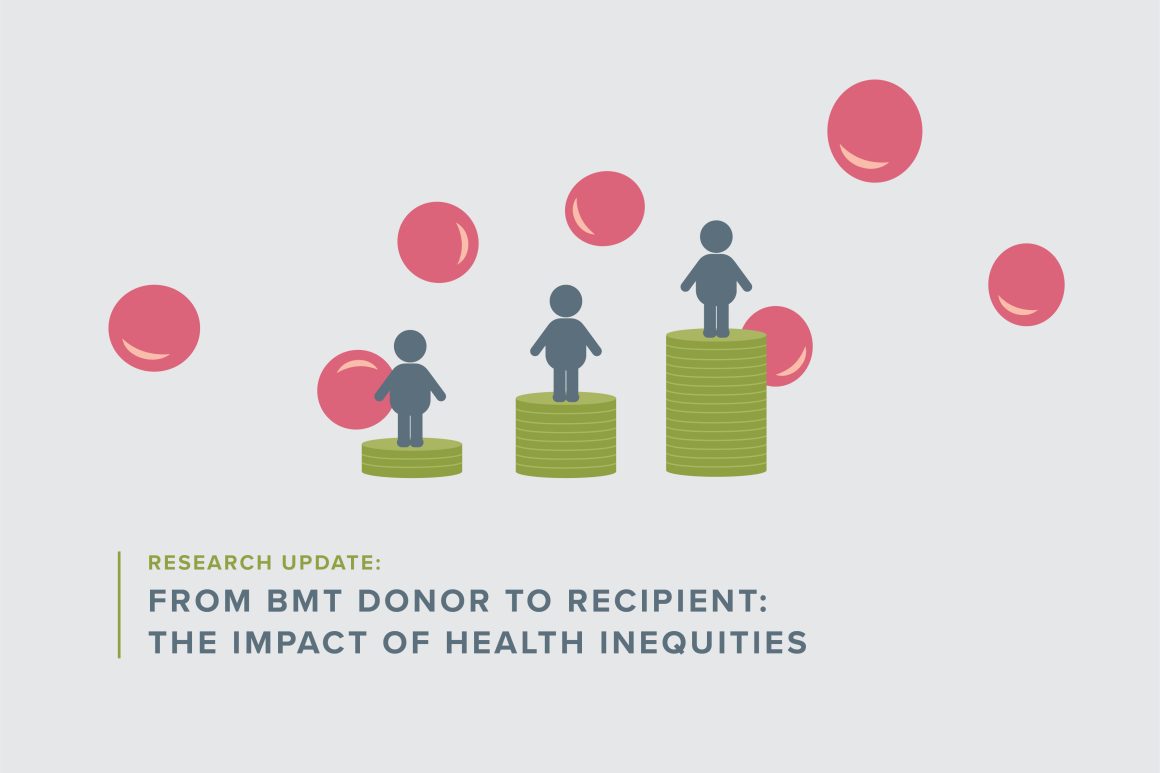
From BMT donor to recipient: The impact of health inequities

Our life experiences can affect our bodies on the stem cell level — even when our cells are implanted in an entirely different human. That’s what Lucie Turcotte, MD, MPH, MS discovered while examining the impact of donors’ socioeconomic status on bone marrow transplant (BMT) outcomes.