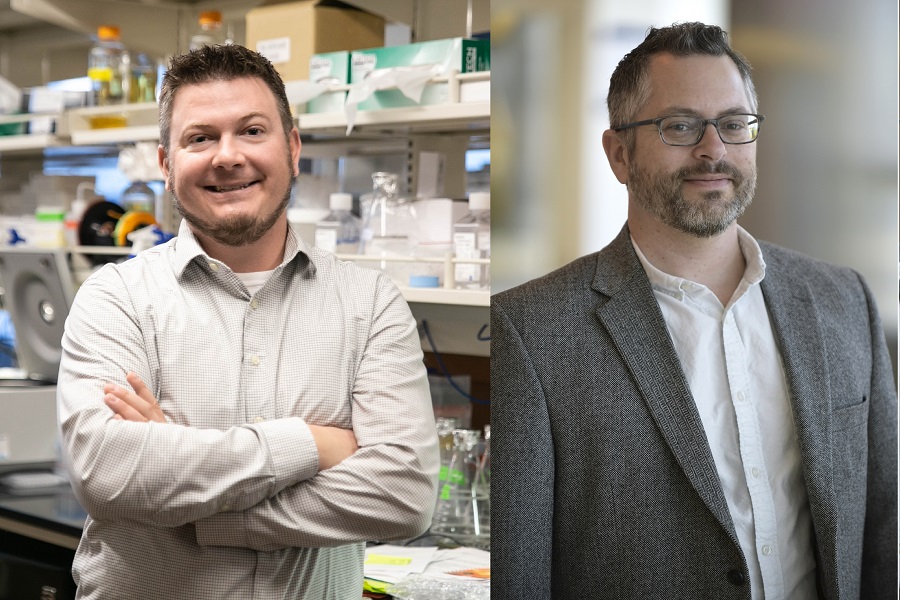
With support from CCRF, Dr. Katie Greenzang is developing an eHealth intervention to improve families’ preparation for the survivorship stage of childhood cancer. She asked “How do we improve quality of life, not only for our patients during treatment, but their quality of life after treatment and in survivorship?”
Re-engaging cancer survivors in follow-up care
With support from CCRF, Dr. Lisa A. Schwartz is leading a pilot study to explore why adolescent % and young adult survivors may be disengaged from cancer-related follow-up care and to develop interventions that target reasons for disengagement.
CCRF introduces new research grant focused on cancer survivorship
Children’s Cancer Research Fund has introduced a new grant, the Healthy After Cancer: Childhood Cancer Survivorship Research Award, which funds critical research that will lessen the impact of treatment and late-effects on childhood cancer survivors and ensures they have the information and care needed to live long, healthy lives after cancer. 2021 Survivorship Award Grantees Katie Greenzang, MD: Dana Farber Cancer Institute – eHealth Intervention …
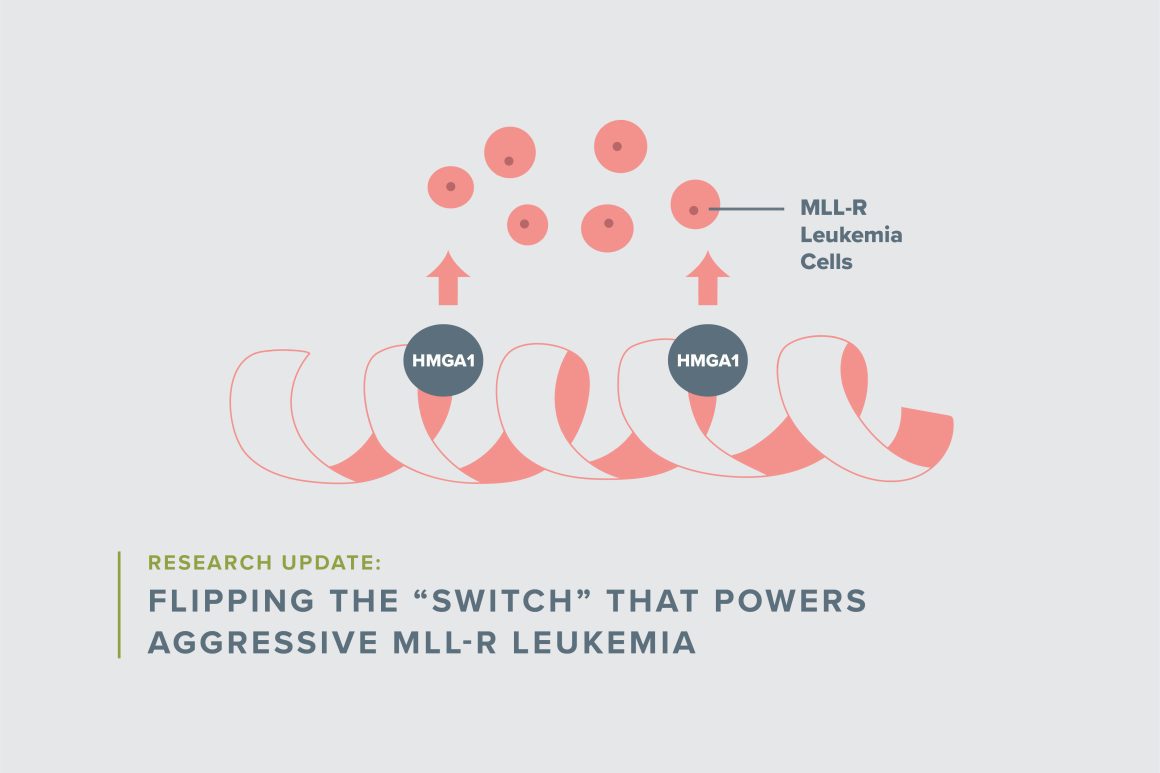
Flipping the “switch” that powers aggressive MLL-r leukemia
Linda Resar, MD, will never forget Amanda, the first leukemia patient she cared for during her oncology fellowship. The inspirational 8-year-old, who had Down syndrome, was fighting acute lymphocytic leukemia. “She was exceptionally courageous, thoughtful and resilient,” Resar said. “While she was cured and is now in her 30s, the chemotherapy was toxic, and she became ill throughout the treatment, which drives me to do …
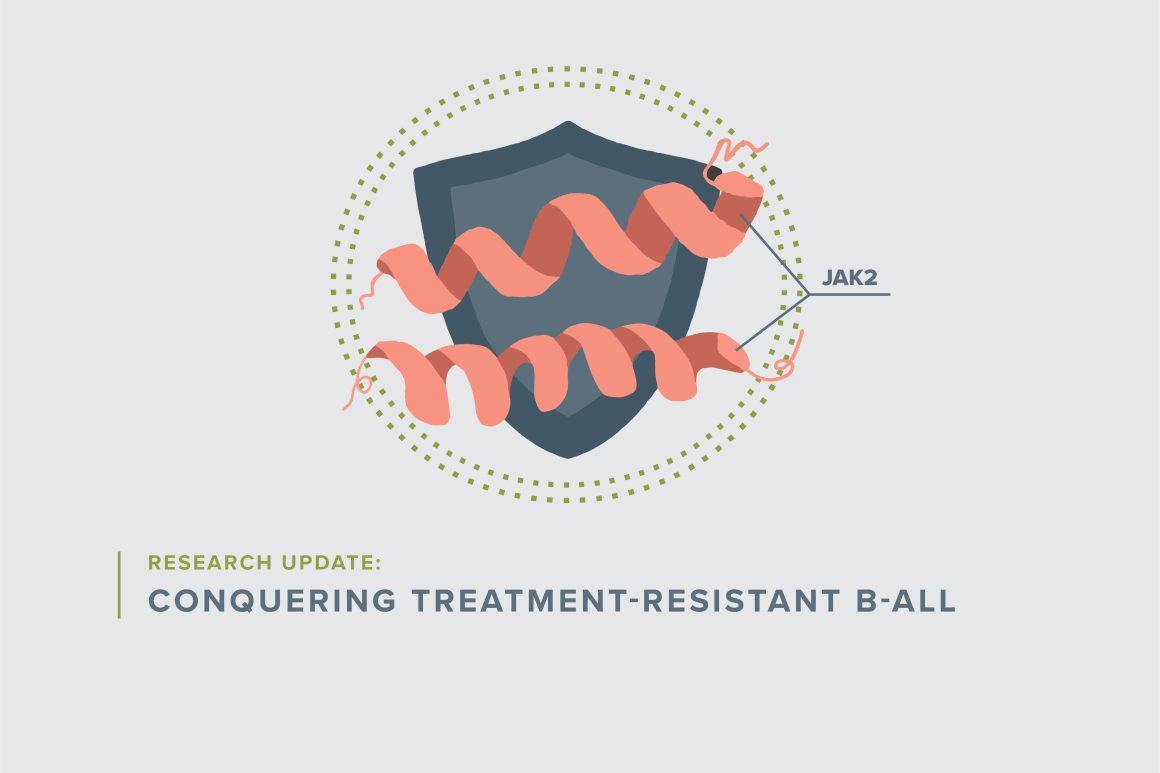
Conquering treatment-resistant B-ALL
During high school, Loretta Li worked in the University of Chicago lab of Janet Rowley, who later won the Presidential Medal of Freedom for her groundbreaking work on cancer genetics. “She really was a pioneer,” noted Li, who is now a pediatric oncologist with Ann and Robert H. Lurie Children’s Hospital of Chicago and an assistant professor of pediatrics at Northwestern University’s Feinberg School of …
Delving into the data in search of new cures
With more than 10,000 experts at 200-plus institutions around the world, the Children’s Oncology Group (COG) is a research powerhouse. The consortium runs nearly 100 active clinical trials that aim to improve the care, survivorship and quality of life for children and adolescents with cancer. And all that adds up to an ever-mounting treasure trove of data, ripe for uncovering new insights into the best …
2021 Hard-to-Treat Award Winners
The Hard-To-Tread Award is a grant intended to support projects that enable the prevention, early detection and effective treatment of pediatric cancers that remain hard-to-treat. While treatment success has improved for many cancers, survival rates and therapy options have not changed for some cancers, including brain tumors, sarcomas, and acute myeloid leukemia. Each award is $250,000 over a period of 24 months. Each year, CCRF …
Exploring safe, cost-effective alternatives to donor-supplied blood
Cancer and the therapies used to treat it can alter the delicate blend of a child’s blood proteins. As a result, children with cancer often require transfusions of blood or blood products, which are frequently in short supply because of a national donor blood shortage. “All in all, donor-derived blood products are hugely problematic,” Feser explained. “Because these products are sourced from the pooled blood of multiple volunteer donors, they are expensive, lack uniformity, require extensive pathogen screening and are not concentrated, making them especially problematic for pediatric patients.”
Catching infant neuroblastoma earlier for better outcomes
Even before a baby is born, neuroblastoma can start to quietly creep through their nerve cells, growing into a tumor that might go undetected for months or even years. Infants and young children whose disease is classified as high-risk — where the cancer has spread and cannot be surgically removed — face some of the worst survival rates of childhood cancers. But what if a …
Helping the immune system fight brain cancer
Even as a college student volunteering in the cancer ward of his local children’s hospital, Robert Galvin, MD, knew he wanted to become a pediatric oncologist. But it wasn’t until his pediatric residency, when his wife was diagnosed with an aggressive brain tumor, that the power of cancer research truly hit him. After all the standard treatments failed to stop the cancer, the young couple …
Our top 5 research wins of 2021
It’s up to you to make a difference for kids fighting cancer – and in 2021, you delivered. Because of you we funded 40 new research initiatives that will make the childhood cancer experience easier for kids and families.
Here are our top 5 childhood cancer research wins of 2021.
Using artificial intelligence to optimize childhood brain tumor treatment
Brain tumors recently rose to be the most common cause of cancer-related death in kids. Those that survive can develop serious negative late-term effects including neurological and cognitive defects that can last a lifetime, heart problems and secondary cancers. Unfortunately, harsh treatments are sometimes responsible for these bleak outcomes. “Under- and overtreatment is a big problem,” Dr. Hovestadt says. “Patients can really suffer if the tumor is overtreated with chemotherapy and radiation. But, undertreating means that you give the tumor a chance to grow back, and the patient might actually die from the disease. It is really important to have good predictions of how individual patients will do.”
Improving communication and trust between cancer families and care teams
Communication breakdowns between patients, parents, doctors, nurses and other medical professionals could result in unnecessary stress and anxiety, or even decisions that could lead to physical harm. Communication is simply vital to positive childhood cancer outcomes. Until now, no one has developed tools to measure the many aspects of communication in childhood cancer. Dr. Sisk is developing these measures, which will be the first of their kind.
Dream Further Campaign hits $2 million for cancer survivorship research and care
When childhood cancer survivor Ted Sibley finished his cancer treatment as a teenager, he received a t-shirt that said, “Finish Line.” He was proud to have reached the end of a long and difficult period of treatment – but his journey didn’t end there. Ted faced late-effects from his cancer treatment, and often didn’t know where to go to get specialized survivorship care.
In early 2021, CCRF launched the Dream Further campaign to raise $2 million for much-needed survivorship research and care coordination. In November 2021, with the help of a passionate community of supporters, the Dream Further campaign reached its ambitious goal.
Does body composition impact the severity of chemo side-effects in children?
The research questions started to percolate for pediatric oncologist Aman Wadhwa, MD, MSPH, as he made his rounds of the pediatric oncology unit at Children’s of Alabama. “One of the things I really noticed in my first year was there was wide variation in who gets side effects from cancer treatment and how severe,” he said. “I could have patients with the same diagnosis, and …
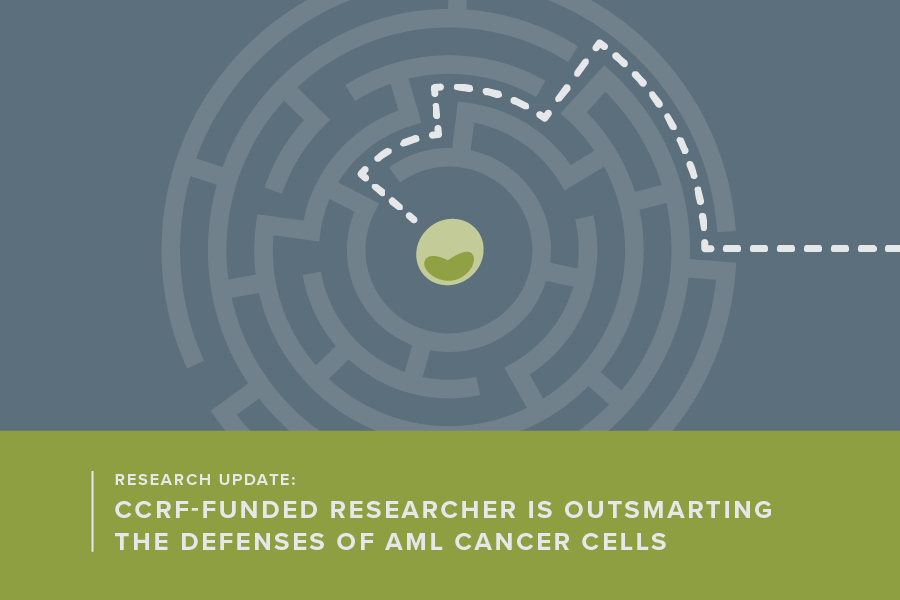
CCRF-funded researcher is outsmarting the defenses of AML cancer cells
Shannon Conneely, MD, a pediatric hematologist-oncologist at Texas Children’s Hospital and researcher at Baylor College of Medicine, envisions cancer treatment like a maze with multiple exits. As chemotherapy drugs chase down the cancer cells, the craftiest of cells manage to find a back door out. Sometimes cancer cells temporarily stop dividing and grow “quiet” during treatment — only to return with a vengeance later. Conneely’s goal: …
Discovering the cell origin of Ewing sarcoma
For decades, the question of Ewing sarcoma’s genetic beginnings has stumped scientists, leaving potential therapeutic targets undiscovered.
But together, Drs. Spector and Webber are creating human tumor models from the ground up and utilizing millions of pieces of readily available data to uncover how Ewing sarcoma develops. Using data from different genomic populations, they are also analyzing Ewing sarcoma driver genes or genes that cause the cancer to grow.
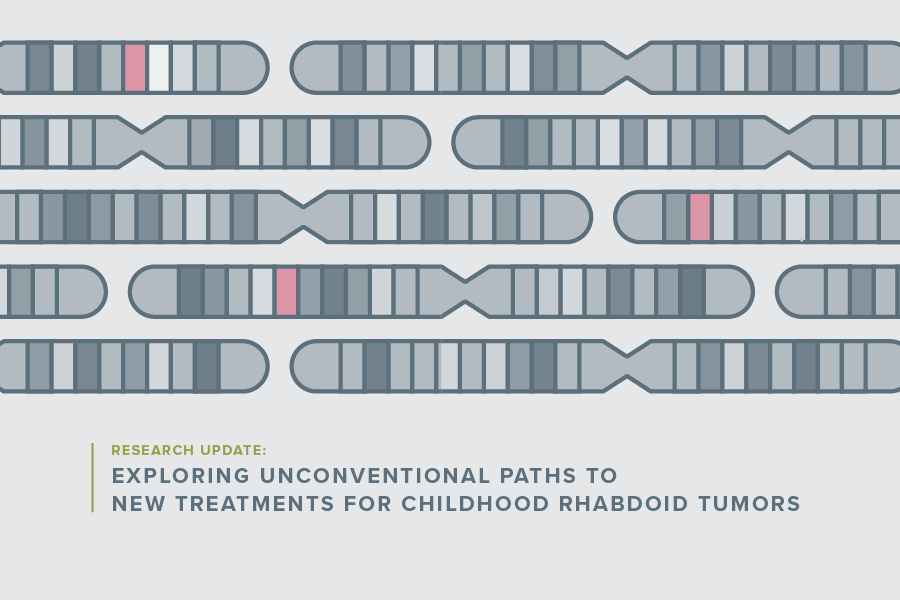
Exploring unconventional paths to new treatments for childhood rhabdoid tumors
Capucine Van Rechem was still a teenager when cancer stole away both her parents. First her mother died of breast cancer, and then her father passed away from colorectal cancer just eight months later. “I knew before that I was really a scientist at heart,” she said. But suddenly, her vague plans to do something in the medical field crystalized into a new mission: to …