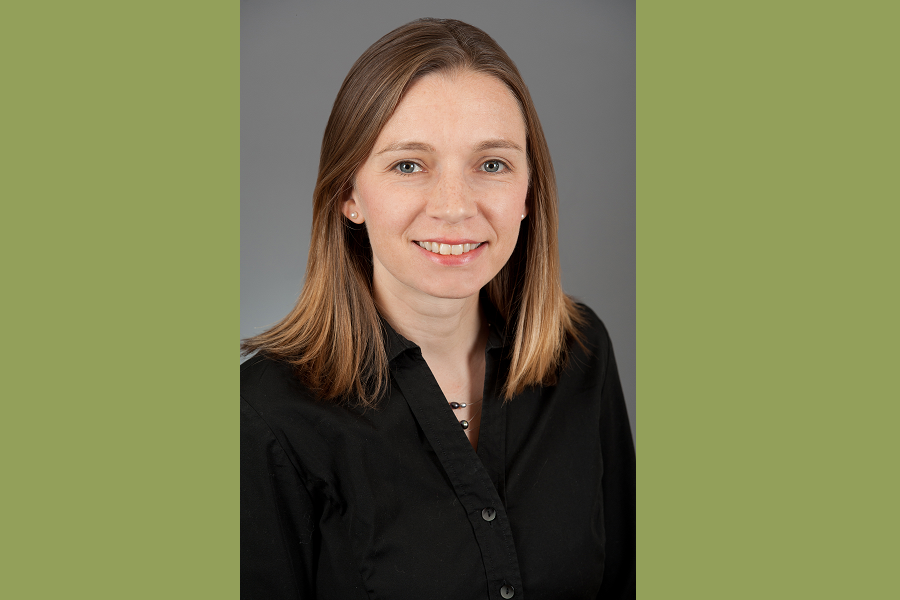
Immunotherapy, harnessing a patient’s own immune system to treat their cancer, could be the next chapter in childhood cancer treatment. Unfortunately, personalized medicine is not a reality for most children yet, as most immunotherapy research focuses on adult cancers. Little is known about how the genetic changes that occur in childhood cancer interact with the immune system. But Natalie Collins, MD, PhD is creating pediatric …
A Cure in the Making
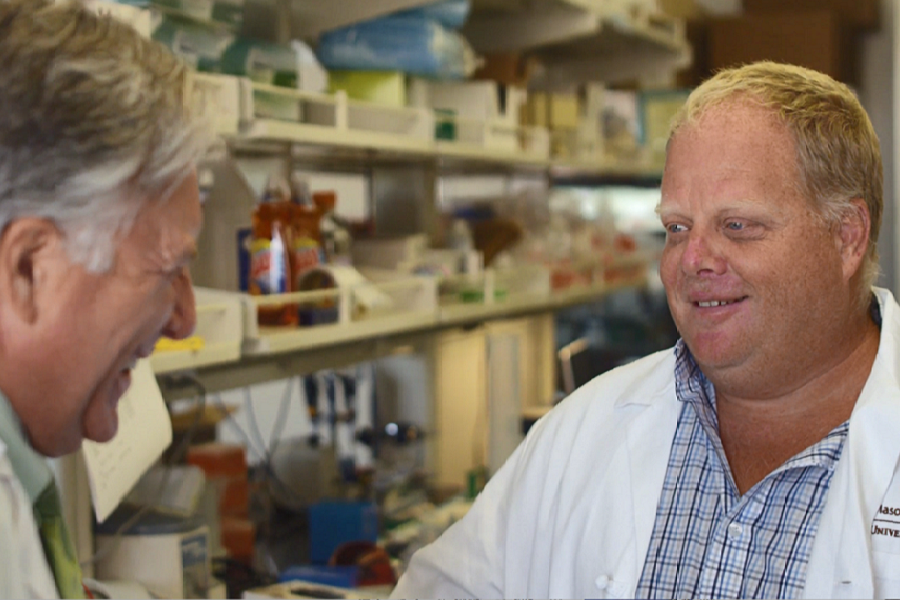
In talking about a new project to develop new treatments for osteosarcoma, University of Minnesota researcher Beau Webber, PhD, uses a word he doesn’t typically get to use: cure. “I don’t throw that word around, and I definitely don’t use it lightly,” Webber said. “But it’s hard to overstate the potential here. It’s realistic to have that as our goal – there’s a real chance …
Building the Case for Kids with Hepatoblastoma
Federal funders like the National Institutes of Health (NIH) are typically more interested in funding broad health concerns such as HPV or dementia, so rare childhood cancers like hepatoblastoma often do not easily make it onto the radar for research grants. For childhood cancer researchers, less funding means less research and even fewer answers to some of the biggest questions: Why is hepatoblastoma the fastest-growing …
Upcoming Clinical Trial Takes Aim at Brain Tumors
Childhood brain tumors cause the most cancer-related deaths among kids and young adults ages 0–19, recently surpassing leukemia. But, a profound breakthrough is on the brink of human clinical trial which may change the future of brain tumor treatment, thanks to University of Minnesota researchers Dr. Michael Olin, PhD and Dr. Christopher Moertel, MD, their team, and the donors who have helped fund their work. …
Targeting Chemoresistant Leukemia Cells
Sometimes, leukemia cancer cells are so powerful they can overcome the most potent of chemotherapies. Because of support in part by Children’s Cancer Research Fund’s donors, Peter Gordon, MD, PhD, an oncologist and researcher at the University of Minnesota, and his team could explore the reasons this happens, opening potential new avenues for treatment options for acute lymphoblastic leukemia (ALL) and more. According to Dr. …
Printing Tumors to Study Spreading Cancer
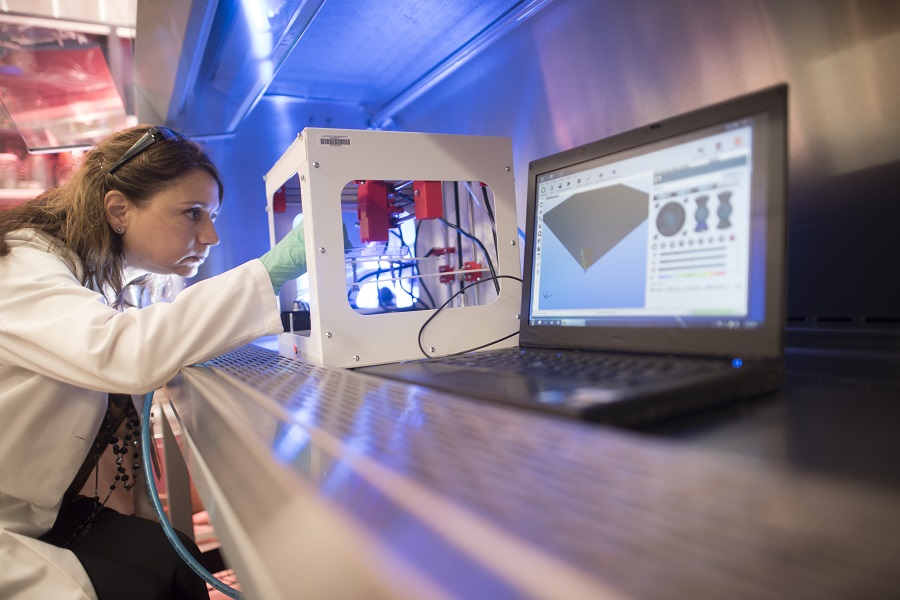
Dr. Angela Mortari uses a bioprinter to study spreading tumors. Photo courtesy of the University of Minnesota. In today’s cancer research world, ink can be made out of biological materials, and human tissue can be printed three-dimensionally. Angela Mortari, PhD, vice chair for research, professor in the Department of Pediatrics at the University of Minnesota Medical School and director of the 3D Bioprinting Facility, is …
Hope for the Future of DIPG Treatment
Texas In the past 40 years, scientists have made incredible progress in the world of childhood cancer research. Survival rates have risen dramatically for cancers like acute lymphoblastic leukemia, Hodgkin lymphoma and others. But despite these impressive advances, no researcher has been able to crack the code behind diffuse intrinsic pontine glioma (DIPG), an aggressive brain cancer with a 0 percent survival rate. But that …
Study finds cancer rates in children are increasing
A new study at the University of Minnesota found that cancer rates in children are increasing all over the world. The study, led by Jenny Poynter, PhD, was funded in part by Children’s Cancer Research Fund. It found that incidences of leukemia, certain brain tumors, neuroblastoma and hepatoblastoma have all increased in children under the age of 5. The study specifically focused on the rising …
Cancer Survival and Socioeconomic Status
Racial and ethnic disparities have long plagued health care, but according to Children’s Cancer Research Fund Chief Medical Advisor Logan Spector, PhD, no one knew quite how much or how exactly these disparities affected African-American and Hispanic children with cancer. So Dr. Spector’s team delved into this question: Why do African-American and Hispanic children die of cancer more often? Is the disparity caused by socioeconomic …
Cell, Gene and Immunotherapy – Exciting Progress and New Hope
For kids like Jacob, a bone marrow transplant is often a risky but necessary treatment to keep cancer at bay. But it can also cause severe side effects. A combination of his bone marrow transplant and damage caused by chemo means his immune system may never be at 100 percent. He has to be extra careful when sharing supplies at school or playing with his …
Music Therapy Program Receives $50,000 Grant
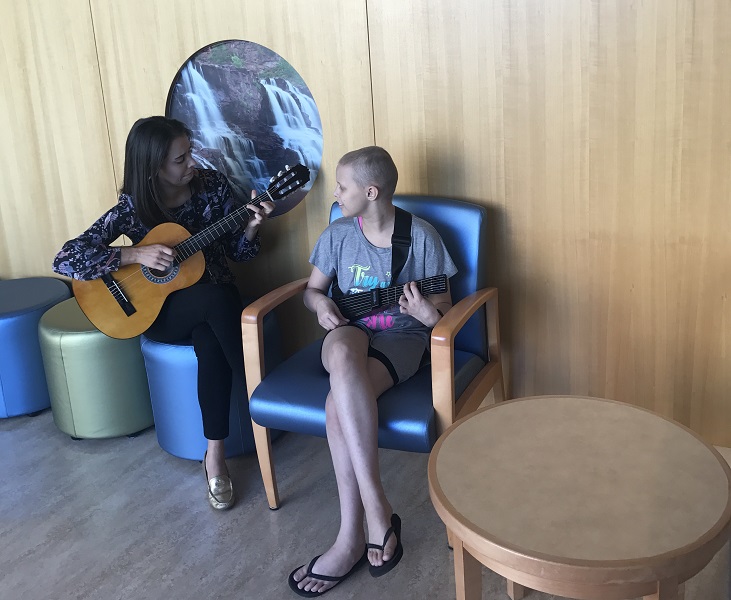
When McKhia had to stay in the hospital after her bone marrow transplant (BMT) to treat her cancer, her days got long. Hospital rooms can be boring and dull, especially when you aren’t feeling well and know you aren’t going to be able to go home soon. But Megan Voss, DNP, RN and Greta Yates, MA, MT-BC were determined to bring a bright spot to …
Less Toxic Treatments for Children with AML
Every so often, as Dr. Cara Rabik is in her lab studying better treatments for acute myeloid leukemia (AML), she thinks of a patient she had when she was a resident years ago – the person who is the reason she’s studying this disease today. This patient was fighting AML, a type of leukemia that is less common in children than other types of leukemia, …
Starving Cancer Cells – Blocking Glutamine in Aggressive B Cell Lymphoma
Glutamine, an amino acid, is in many of the foods we eat, like eggs, beef and milk. We need it to build proteins that make up our organs, it helps us heal from certain kinds of injuries and it supports immune system functions. However, for patients fighting aggressive B cell lymphoma, it may also feed the fast-growing cancer cells in their bodies. Ji Zhang, PhD, …
A Better Target – Making Ewing Sarcoma Cells Sensitive to Chemotherapy
“Relapse.” “Metastatic.” These are the dreaded words too many Ewing sarcoma patients hear after weeks, even months, of cancer treatment. Patients with metastatic (cancer that is found in multiple sites in the body) or relapsed (cancer that comes back after treatment) Ewing sarcoma have a very poor prognosis, and Kelly Bailey, MD, PhD dreads telling her patients. “When they’re first diagnosed, there’s so much hope,” …
Improving Survivorship Care
Current research data suggests childhood cancer survivors are not getting the care they need, which can become life-threatening. “Survivors truly slip through the cracks,” said Karim Thomas Sadak, MD, MPH, MSE and director of the University of Minnesota’s Childhood Cancer Survivor Program (CCSP), supported by Children’s Cancer Research Fund. The CCSP aims to improve the lives of survivors, and to truly help them, Sadak said …
Reaching More Milestones: The Importance of Survivorship Care
Lucie Turcotte, MD, MPH, MS loves hearing about school, dating, graduations, weddings… everything “normal” in a childhood cancer survivor’s life. As a survivorship doctor and researcher at the University of Minnesota, she meets children and families at their absolute low points – sometimes when they are in the throes of potentially facing death. “Seeing them celebrate the milestones they feared would not come is almost …
New Clinical Trial Aims to Tackle Deadliest of Brain Tumors
‘Midline malignant glioma’ is a mouthful – and it’s also one of the deadliest forms of childhood cancer. A four year old child diagnosed with this kind of brain tumor at has less than a five percent chance of making it to his or her sixth birthday. Traditional chemotherapy has not been effective against this type of cancer, and scientists haven’t found a better way …
New clinical trial for osteosarcoma
A lot can happen in five years. Five years ago, Zach Sobiech was battling osteosarcoma and watching his hit song “Clouds” climb to the top of the charts. At that time, his family started the Zach Sobiech Osteosarcoma Fund to help researchers find better treatments for kids with this devastating disease. Now, five years later, we’ve raised $1.5 million, and your support has fueled a …