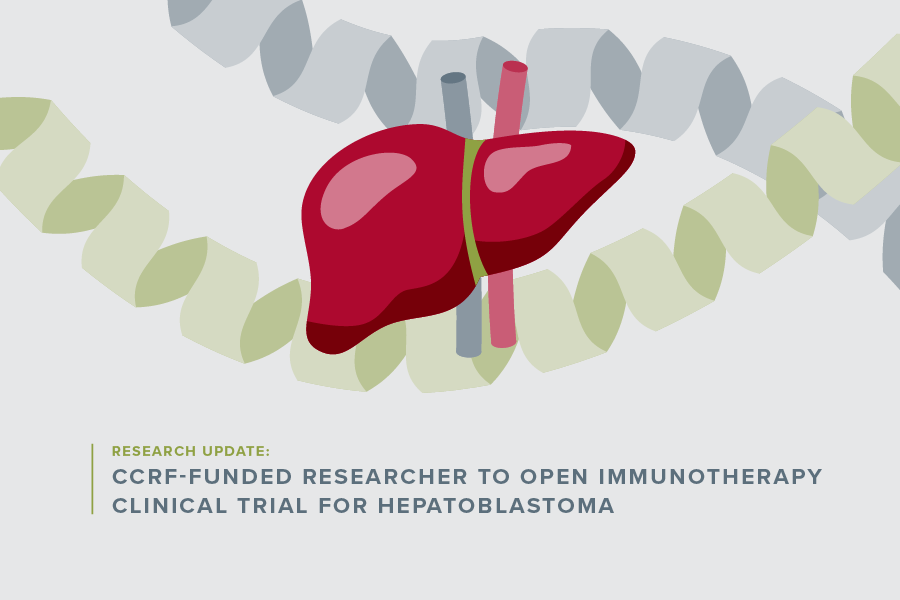
CCRF-funded researcher to open immunotherapy clinical trial for hepatoblastoma

O’Neill, a recipient of the Emerging Scientist Award from Children’s Cancer Research Fund (CCRF), is studying a new therapy to treat children with relapsed or refractory hepatoblastoma and hepatocellular carcinoma.

“There is a real need for improved therapies for these types of diseases. Currently, all we have is chemotherapy. There are very few targeted agents that work well,” she said.
8 new scientists will kickstart their projects thanks to CCRF

Many great ideas go unexplored in the childhood cancer world due to a lack of funding. Thanks to donors like you, eight new projects are poised to kickstart in just a few weeks.

Each year, Children’s Cancer Research Fund grants young, highly qualified researchers with $100,000 to help set up their labs and launch their careers. Fewer and fewer scientists are choosing to embark on academic research, so it is more important than ever to invest in this generation of scientists today.

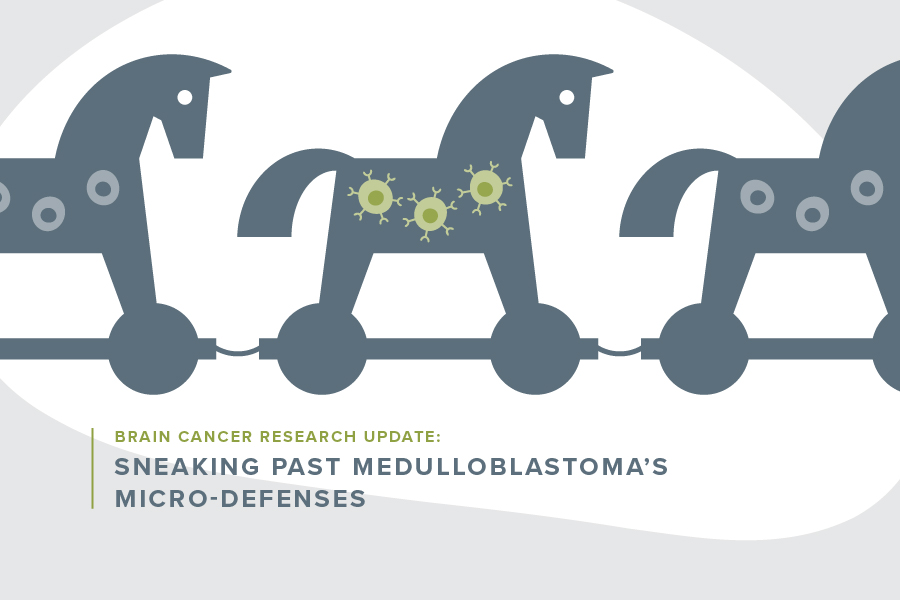
Sneaking past medulloblastoma’s micro-defenses

CCRF Emerging Scientist Award winner Giedre Krenciute is developing a Trojan horse of sorts to sneak past medulloblastoma’s armed defenses and kill tumor cells. She plans to change a patient’s special immune system cells, called T-cells, by transforming them into CAR T-cells or cells that can recognize and kill the cancer.

CCRF-funded researcher uses microscopic protein pathways to beat graft-versus-host disease

Kids like Alex often need blood or marrow transplants (BMTs) as part of their treatment plans. Typically, these transplants use immune cells (T-cells) from a donor, like a sibling or a match from a registry.

After a transplant, a few things could happen: the donor cells will attack primarily the child’s cancer cells (or “bad cells”) in her body and/or the donor’s cells will attack the child’s healthy (or “good”) cells.

Researchers investigate existing drugs to treat AML more safely

The last time Children’s Cancer Research Fund donors heard about Ani Deshpande, Ph.D. assistant professor at Sanford Burnham Prebys Medical Discovery Institute in California, he received funding from CCRF to research targeting previously ‘undruggable’ proteins in acute lymphoblastic leukemia.

That research served as a springboard into a new project, which received CCRF’s Emerging Scientist Award in 2021. Deshpande and his postdoctoral fellows Bryan Chen and  Deshpande have found another potential treatment that could help children fighting the deadly pediatric leukemia. The findings are published in the journal Blood.

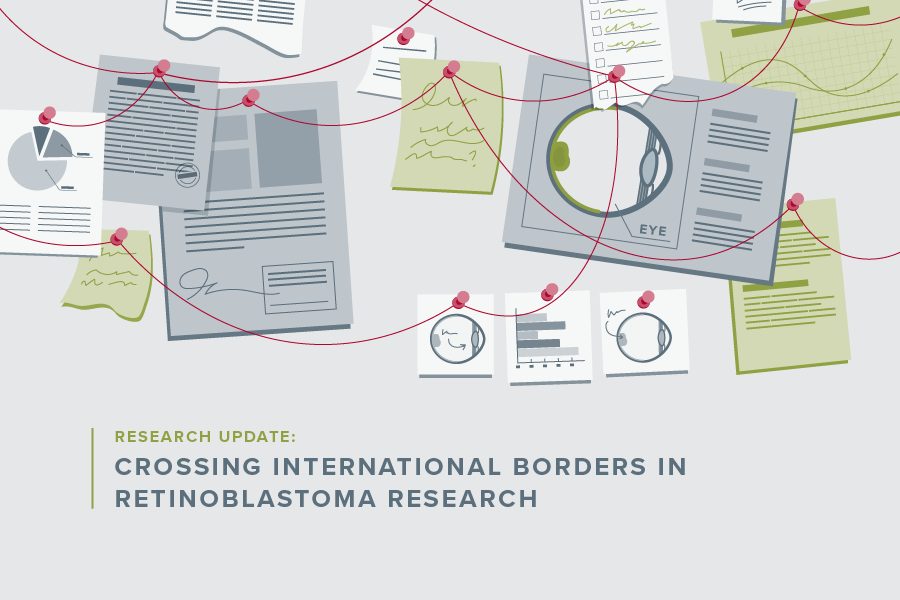
Crossing international borders in retinoblastoma research

For kids, rare means fewer doctors understand how to treat their disease, it’s difficult to find and develop better treatments, and hard to track outcomes. This is especially true for retinoblastoma, an eye cancer which affects 200 to 300 kids each year in the United States.

Minnesota couple’s $925,000 gift funds leading edge cancer technology at the University of Minnesota

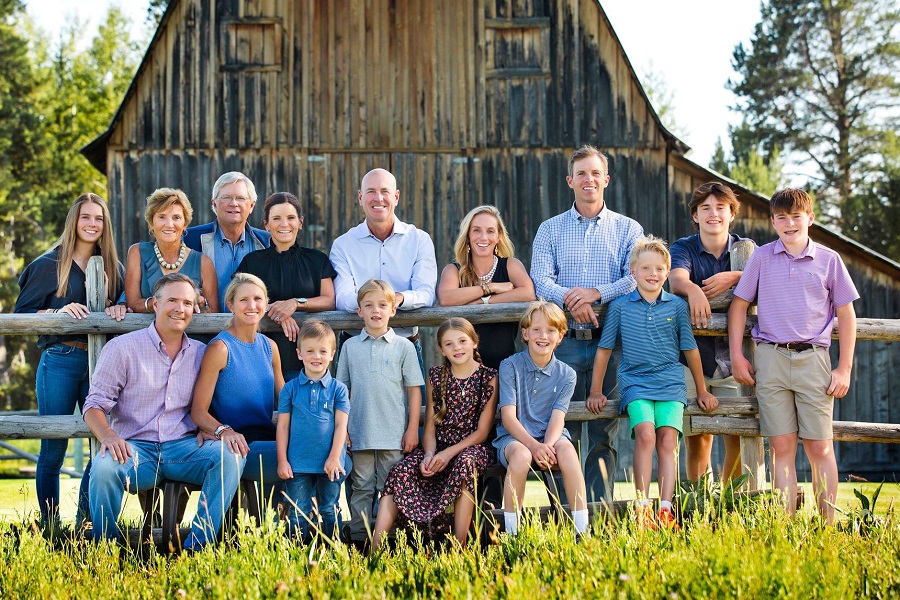
Above: Fritz and Glenda Corrigan, pictured with their children and grandchildren. In April 2021, staff at the University of Minnesota finished installing a piece of equipment called the Helios mass cytometer – a machine that will enable cancer researchers to glean more information from cells than has ever been available to them before.   John Wagner, MD, Founding Director of the Institute of Cell, Gene …

Designing better weapons against cancer cells

Jae-Woong Chang, PhD, initially had his eye on medical school. But then his high school teacher pointed out: “Doctors can cure about only 10,000 people in their entire lifetime, but a researcher who creates a new treatment can cure a million people.”

That comment kindled a spark in Chang: one that would inspire him to eventually earn his PhD in cellular and molecular biology and to later move more than 6,000 miles to the University of Minnesota Medical School, where he’s now a research associate in the Department of Pediatrics.

Engineering better treatments for AML

“This is a very innovative approach. Using precise gene editing, we hypothesize that we can change one protein in healthy hematopoietic stem cells and make it invisible to the antibody while preserving its physiologic function,” Genovese explained. “This would allow the administration of highly effective immunotherapies targeting a protein essential for cancer survival without the risk of severe toxicity on the healthy tissue.”

CCRF uses impact investments to accelerate new treatments

For researchers, it’s known as “the valley of death.” It’s the often-unfunded middle territory between the early part of research, when new ideas are blossoming in the lab, and the end stage years later, when a company is finally ready to bring a new treatment to the marketplace.Children’s Cancer Research Fund (CCRF) is stepping into the gap with impact investments to help biotechnology companies translate early discoveries into effective treatments for childhood cancer. CCRF recently announced impact investments in OS Therapies and Oncoheroes Biosciences.

Targeting the MN1 protein in hard-to-treat cancers

As a medical student, Kathrin Bernt, MD, initially thought she was going to be a surgeon. “I loved the idea that you have a patient who is really sick, and you go in and fix them,” she said. Then she completed a rotation with a surgeon who took out 10 gallbladders a day, year after year. “By the end of three months, I was so …

Osteosarcoma update: beating an ancient disease at its source

Osteosarcoma, a deadly bone cancer, was first found in a shell-less turtle from the Triassic period. For the last 240 million years, the disease has worked pretty much the same way, and it continues to be the most common malignant bone cancer in children. Current treatments successfully crack only 70 percent of the time. For the other 30 percent of patients, the disease takes over. …

Fewer side-effects and no relapse – A leukemia researcher’s goal

"Studying new therapies to treat acute myeloid leukemia" graphic"

Today, when a child is diagnosed with leukemia, they’re told they are in for a long battle. Those years will include toxic treatments that can leave them with lifelong late effects. And for kids with a particularly rare form of leukemia, that’s all for a survival rate that is just a little better than a 6-in-10 chance of long-term survival. But Dr. Nathan Gossai and …

Data’s not the flashiest, but it’s the key to childhood cancer

Troves of data around the globe could get us closer to answering the overarching questions: why do kids get cancer, and how can we treat each child in the best possible way? But finding and putting this data together cohesively poses one of the biggest challenges in childhood cancer research. The barrier is so strong, the United States Congress took note and recently passed legislation …

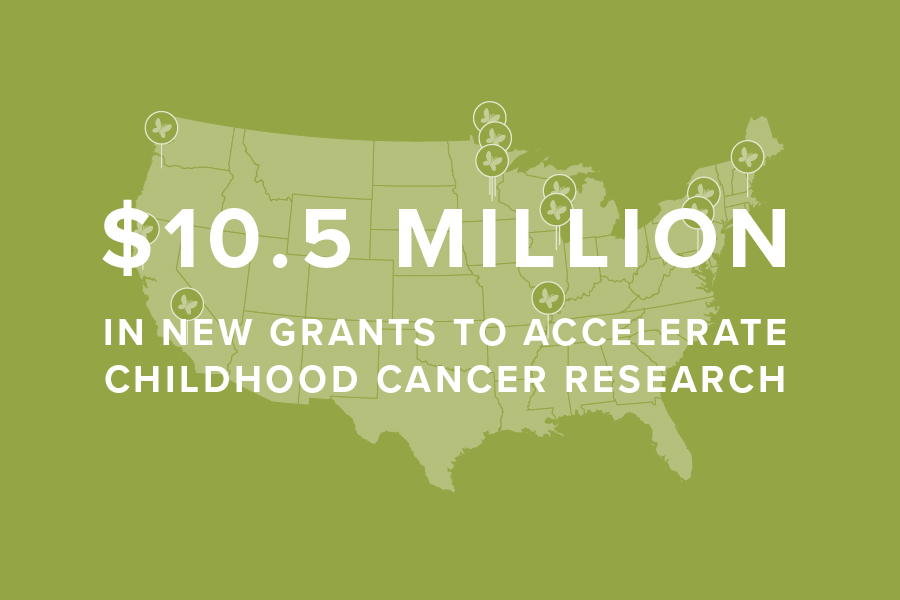
CCRF announces $10.5 million in new grants

Children’s Cancer Research Fund (CCRF) is proud to award $10.5 million in its latest round of funding. The new grants support 12 research organizations that are working to improve treatment and outcomes for children and adolescents with cancer.

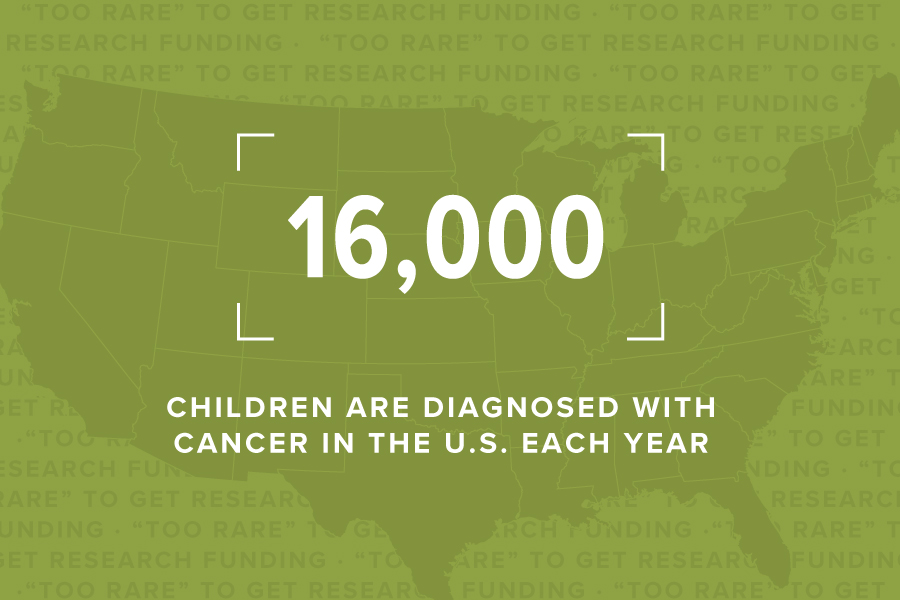
Why childhood cancers are considered “too rare” to get research funding

Each day, 43 children are diagnosed with cancer in the United States. That adds up to nearly 16,000 per year. So why is nearly every childhood cancer considered “rare?” And why are so many of those cancers considered too rare to fund research into them by large sources like the National Institute of Health?