Our world looks much different than it did just a few weeks ago – since COVID-19 became a pandemic, daily routines have been upended. This crisis particularly impacts those who are fighting childhood cancer, whose immune systems are weakened by their treatments. We’re continuing to focus on the research and support programs that cancer families need now and in the future. We’re so grateful for …
Gunner’s Story
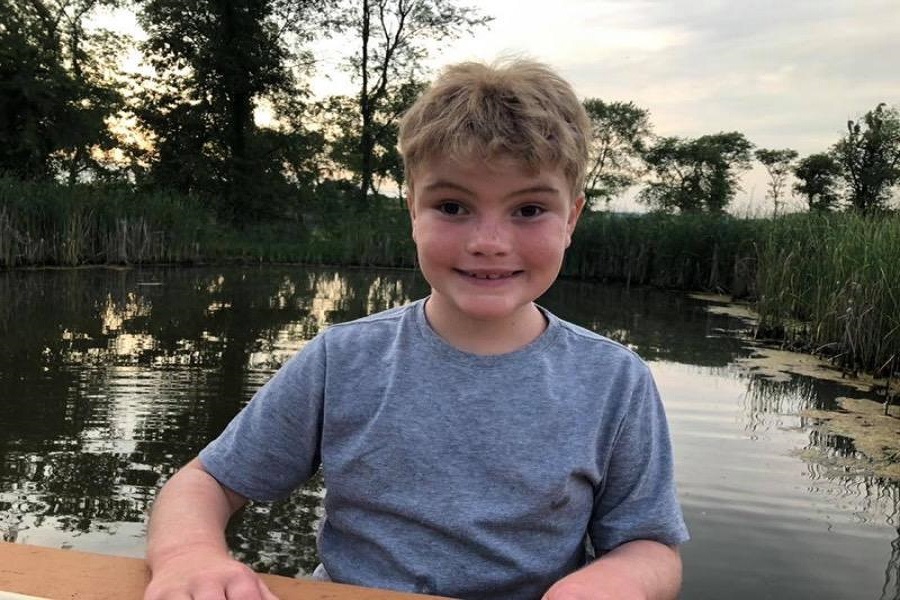
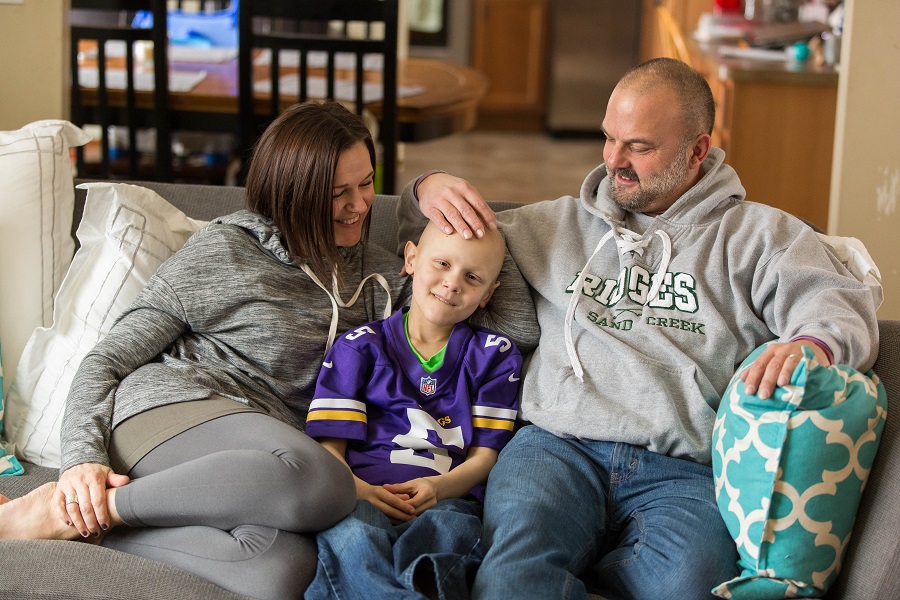
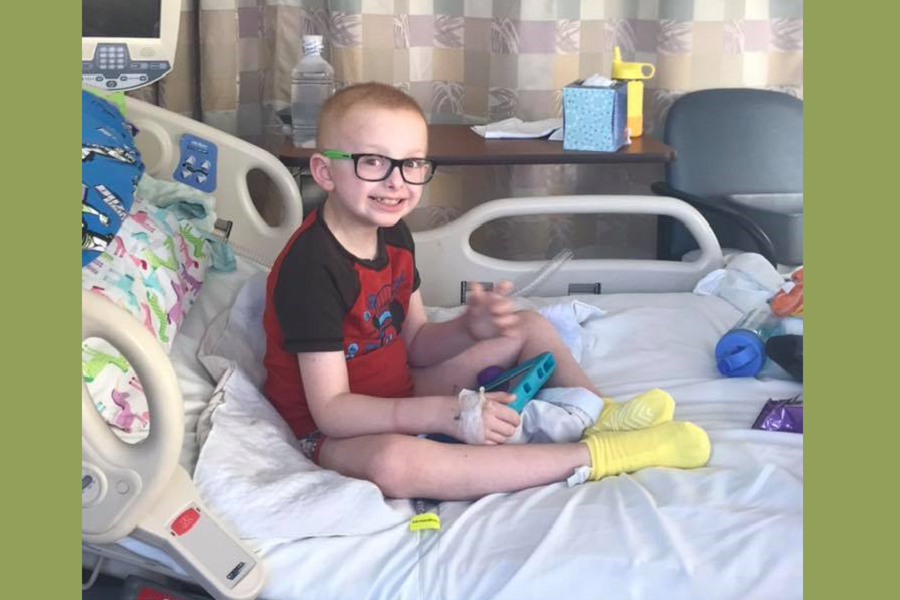
When Gunner was diagnosed with a brain tumor at 3 and a half years old, his family never imagined that he’d still be in treatment four and a half years later. “We didn’t know anything about childhood cancer at the time, and at first we kind of thought we’d be like other cancer families who could count down the number of treatments until we’re done.” …
How COVID-19 Impacts Cancer Survivors
As so many of us now know, people with compromised or weakened immune systems are at much higher risk for COVID-19 complications. This includes people going through cancer treatment currently and some who have received cancer treatments in the past like chemotherapy, radiation or bone marrow transplant. Their immune systems or other organ functioning may be not as well as everyone else’s, often for years. …
Social Distancing-They’ve Been There
Since COVID-19 was declared a pandemic, many of us have been asked to practice “social distancing” – staying home and away from large crowds in order to prevent the spread of the virus. This feels like a different world for many, but to cancer families, this is nothing new. Social distancing is critical for cancer families, because many cancer treatments wipe out a child’s immune …
A Crash Course in Childhood Cancer Terms
If someone you know has childhood cancer, you may have a lot of questions. You may be following social media updates about them and trying to keep up with the new words and medical jargon. We created this crash course in the language of childhood cancer so you can be up to speed and understand what’s going on when reading updates. Here is your guide …
A Letter to New Cancer Moms
Dear Mom Whose Child is Newly Diagnosed with Cancer, “Cancer Mom.” I know you’re not yet used to that title. It’s a title I never wanted, either. None of us did. I still remember the first time that someone called me a “cancer mom” – my reaction was reminiscent of a shudder. The title feels like a shoe that doesn’t quite fit right. A waistband …
Connor’s Story – Shining Hope
When Bernadette took her son Connor into the emergency room, doctors first told her that the bouts of rapid eye blinking and shaking on one side of Connor’s body she’d been noticing were focal seizures. Doctors diagnosed him with epilepsy, but for precautionary measures Connor’s neurologist ordered up an MRI. “I remember he said, ‘I want to do an MRI, just to rule out anything …
Gratitude, Gladness and Goodbye
Friends of CCRF, It is with an equal mix of joy and sadness to let you know that I plan to retire as CEO of Children’s Cancer Research Fund in June of this year. I say joy and sadness, because while I am looking forward to my next chapter, my life has been changed by my time here. The theologian Frederick Buechner has said that, …
Bringing Home to the Hospital
Hospital rooms usually feel less than homey – beeping machines, fluorescent lighting and the sterile smell don’t exactly create a comforting, calming environment. But when your child is inpatient for an extended period of time, or when cancer treatments mean you’re spending the night in the hospital frequently, there are things you can do to take some control of your environment and make it feel …
Treating Leukemia with Microbubbles
Texas Caroline de Gracia Lux , PhD at the University of Texas, Southwestern in Texas will use novel ultrasound technology to make acute lymphoblastic leukemia CAR-T cell treatment less toxic and improve the quality of life during treatment. The problem: Currently, CAR T-cell immunotherapy is the best way to cure relapsed acute lymphoblastic leukemia, one of the most common cancers in children. Unfortunately, this type of …
Targeting Pathways for Neuroblastoma
Logan (above) is fighting neuroblastoma. Approximately 700 kids in the U.S. are diagnosed with neuroblastoma each year. Read Logan’s story here. Xingguo Li, PhD at the University of Rochester in New York is investigating how to target and stop a newly discovered pathway which drives neuroblastoma. The problem: Despite aggressive therapy, approximately half of high-risk neuroblastoma patients die from the disease. While researchers have a …
Warrior Mom – Life after NED
“Warrior Mom.” That’s what one of my inspiring bracelets says. A simple gift during our chemotherapy journey that reminded me I am strong; I am flexible; and I am exactly where I need to be. Little did I know that bracelet would mean more now, almost two years since my daughter Bella was declared NED (no evidence of disease), than during the actual fight. Since …
Losing Friends During Cancer Treatment
I didn’t really know what a friend was until my son, Liam, was diagnosed with leukemia in May of 2018. When we first got the devastating news, I wondered why people weren’t coming to see us. In a moment of absolute upheaval, we desperately needed something (or someone) familiar to pull us back to earth. We had just moved to a new city and I …
Cancer Changes How We Love
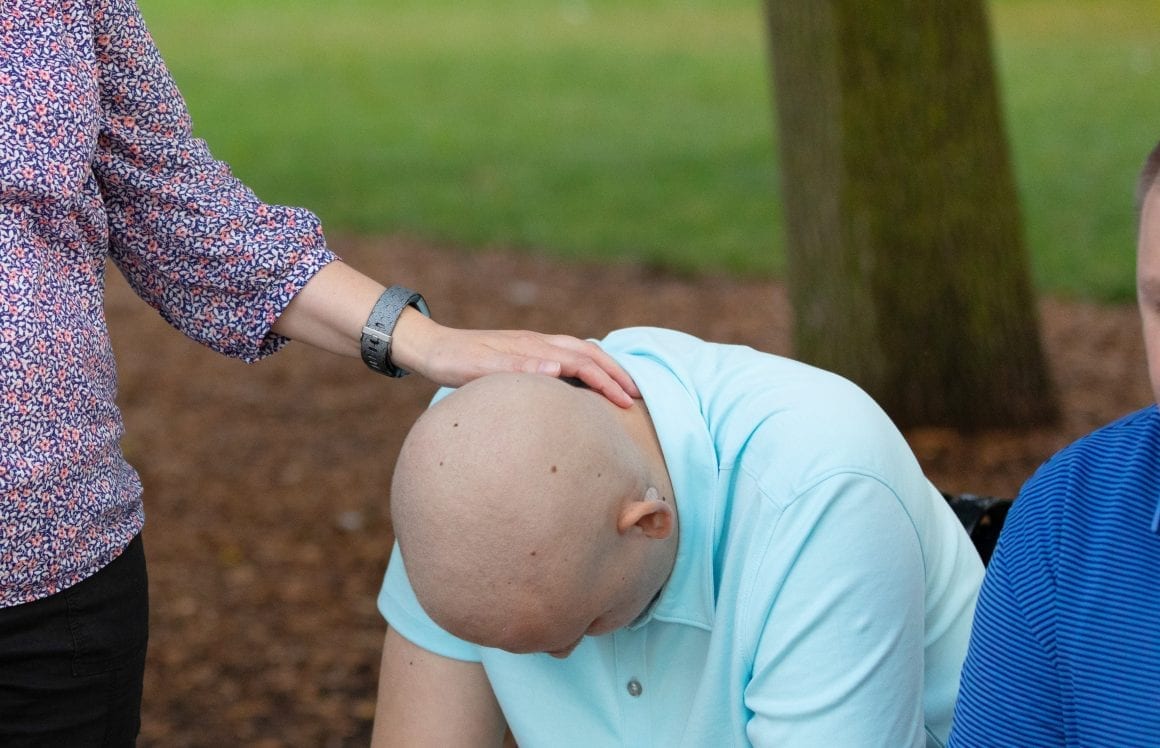
When cancer has invaded your life, showing love means more than flowers, chocolates or a fancy dinner date. Love means rubbing your child’s feet late at night so they can sleep or remembering your spouse’s favorite comfort food and bringing it to them at just the right moment. It’s knowing that even when you can’t say the right thing, being there is love enough. Cancer …
Part 3: Being a Friend to Someone in Grief
This is the third piece in a 3-part series. If you haven’t already, please go back and read Part 1: What Grief Is Not and Part 2: What is Grief? Note: Much of the information below is from Megan Devine’s book, “It’s Okay You’re NOT Okay.” Picture your grieving friend like a broken bone. They’re in pain and they’re vulnerable, but a broken bone isn’t …
Part 2: What is Grief?
This is the second piece in a 3-part series. If you haven’t already, please go back and read Grief – Part 1: What Grief Is Not. What is grief? It’s a hard thing to put your finger on right away, so let’s start with the basic definition. It is the psychological-emotional experience following a loss of any kind (relationship, status, job, house, game, income, etc.). …
Part 1: Grief – What It Isn’t
“I’m so sorry for your loss.” These are the words we automatically turn to when someone tells us they’ve lost someone. These words are a good start, but we often find ourselves grasping for more. We want to say something to take away the person’s pain or show them how to feel better. These are good instincts, but impossible to fulfill. In Part 1 of …
A Survivor’s Note: Geoff
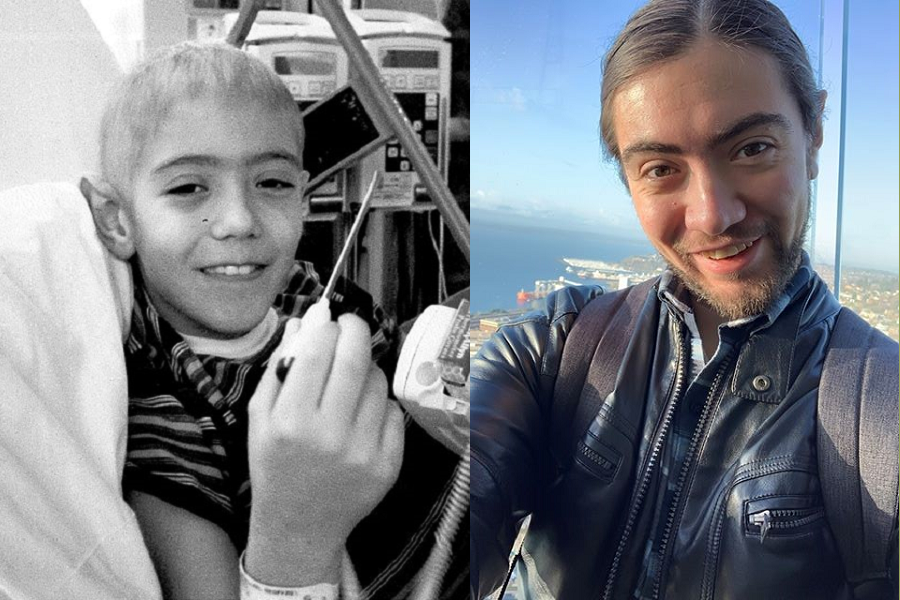
Although it was 17 years ago, cancer survivor Geoff still remembers what it was like to be diagnosed with Burkett lymphoma presenting as leukemia at only 8 years old. When he was diagnosed, doctors told him that 98% of the cells in his bone marrow were cancerous. Today, Geoff, who just turned 25, is a cancer survivor and software developer who loves music and travel. …