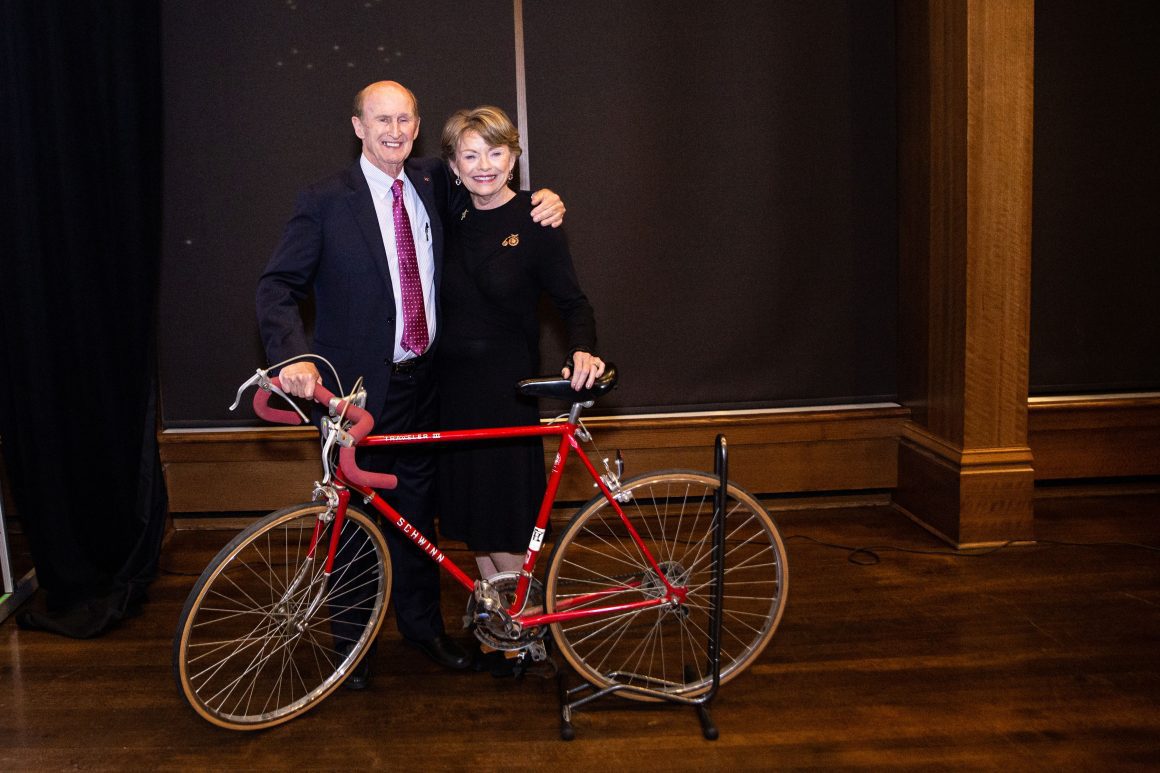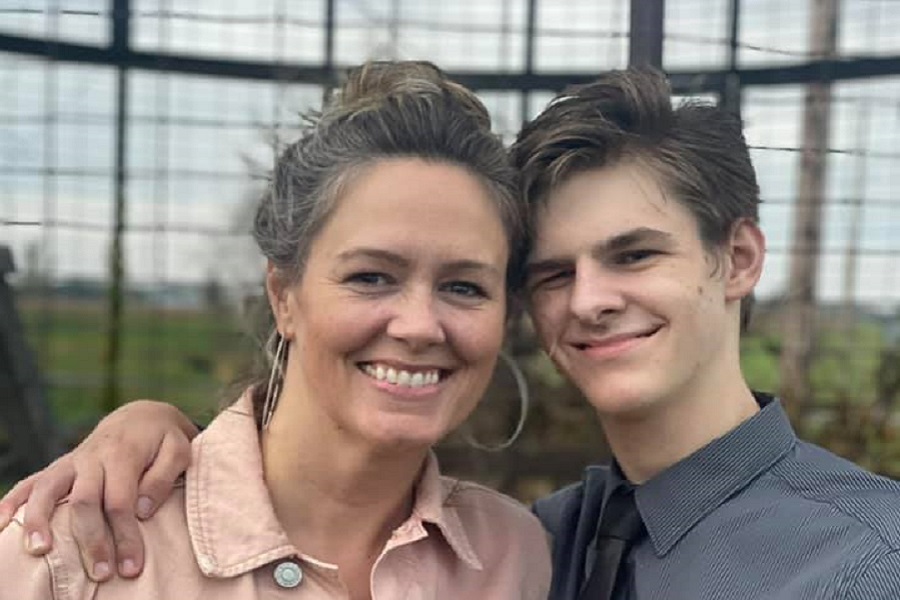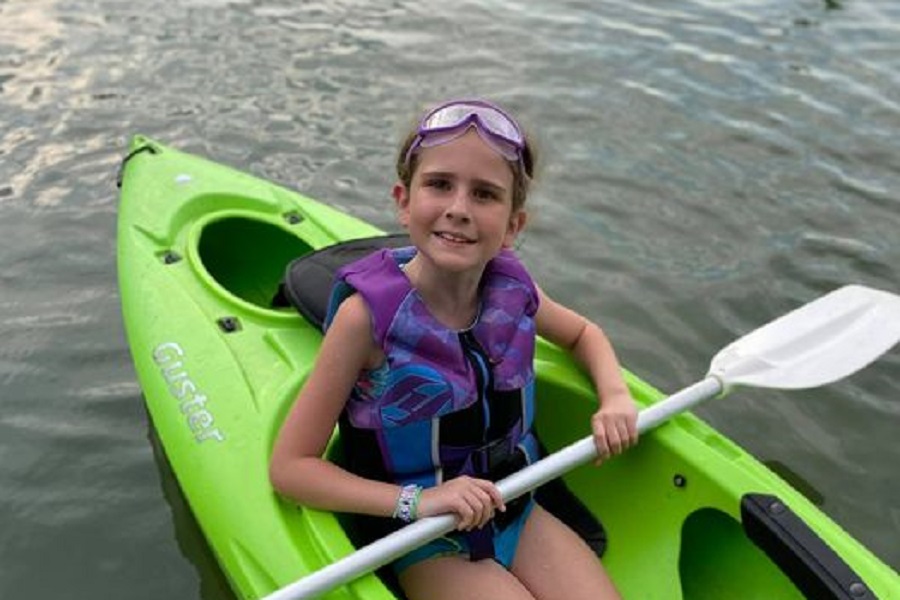
On Wednesday, October 13, longtime members of the Children’s Cancer Research Fund community gathered to celebrate the dedication of the Katie Hageboeck Children’s Cancer Research Fund Clinic. The newly named clinic at M Health Fairview Masonic Children’s Hospital honors the memory of 13-year-old Katie Hageboeck of Wayzata, Minnesota who requested that her savings for a new 10-speed bike be used to help kids with cancer. The Pediatric Specialty Care Journey Clinic at the Masonic Children’s Hospital, which provides world-class care to children and families facing childhood cancer, will now be called the Katie Hageboeck Children’s Cancer Research Fund Clinic.
Discovering the cell origin of Ewing sarcoma
For decades, the question of Ewing sarcoma’s genetic beginnings has stumped scientists, leaving potential therapeutic targets undiscovered.
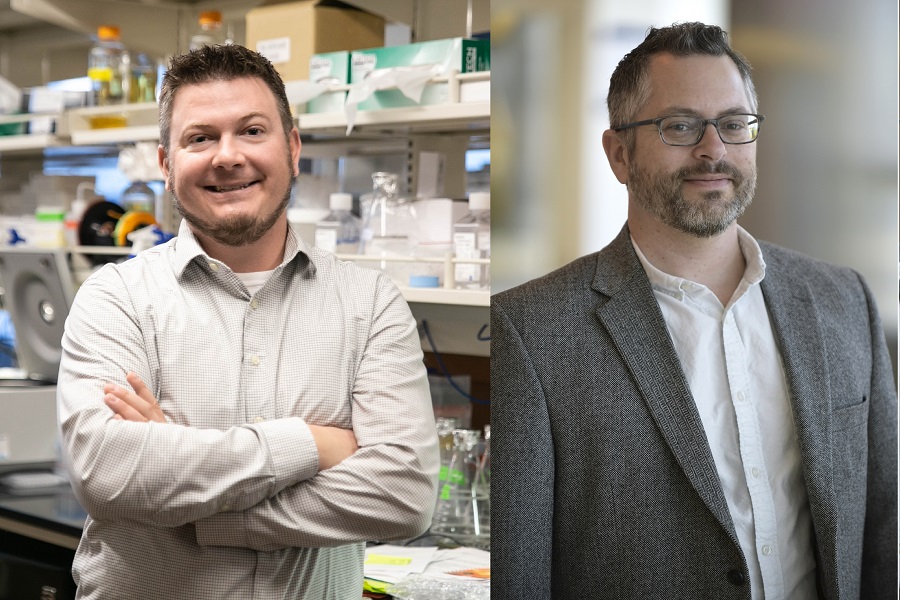
But together, Drs. Spector and Webber are creating human tumor models from the ground up and utilizing millions of pieces of readily available data to uncover how Ewing sarcoma develops. Using data from different genomic populations, they are also analyzing Ewing sarcoma driver genes or genes that cause the cancer to grow.
Mixbook helps childhood cancer families reflect on their journeys
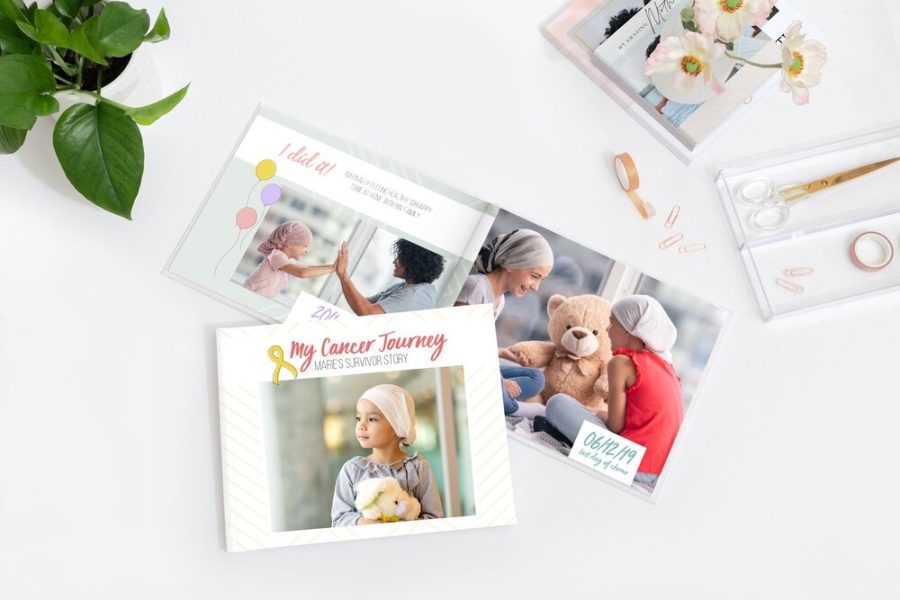
When a child is diagnosed with cancer, treatment usually lasts months, even years. Childhood cancer families are so focused on getting through each moment, each tough day, that they lose track of everything they’ve been through and overcome. It can be hard to see the big picture when you’re busy taking one day at a time. During Childhood Cancer Awareness Month in September, Children’s Cancer Research …
Exploring unconventional paths to new treatments for childhood rhabdoid tumors
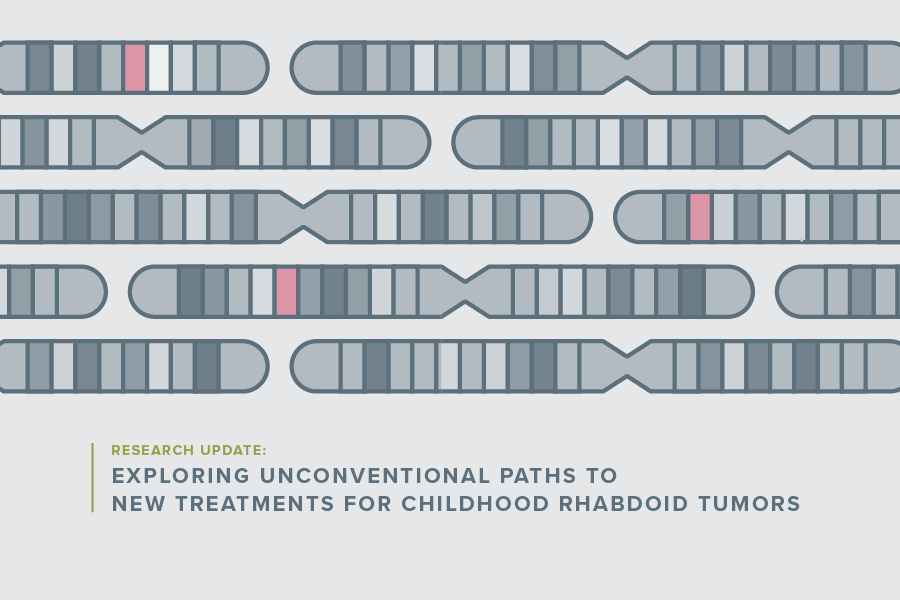
Capucine Van Rechem was still a teenager when cancer stole away both her parents. First her mother died of breast cancer, and then her father passed away from colorectal cancer just eight months later. “I knew before that I was really a scientist at heart,” she said. But suddenly, her vague plans to do something in the medical field crystalized into a new mission: to …
I’m a cancer mom – and Childhood Cancer Awareness Month exhausted me.
Another Childhood Cancer Awareness Month has come and gone. They are a messy thing, awareness months. On one hand they are a time and place to educate others around a cause, a cause that is important to you. A time set aside to lay all you know out into the world around the thing that has impacted your life in unimaginable ways. You feel empowered, full of passion and ready to share. …
Layla’s Story – Living in Limbo with a Brain Tumor
Nine-year-old Layla knows way too much about cancer for her age. She can explain what a shunt does, what a port is for and she understands what’s going on when her mom, Autumn, talks with her doctors about what’s next in her treatment plan. Layla has been living with a brain tumor since she was 2 years old – she was diagnosed just before her third birthday. Her type of tumor is called brain stem glioma, a slow-growing cancer, but inoperable in Layla’s case because of where it’s located in her brain. Her medical history is too long to fit on the field trip permission forms she brings home from school – but for Layla, it’s always been this way.
Zebra Technologies and Great Cycle Challenge
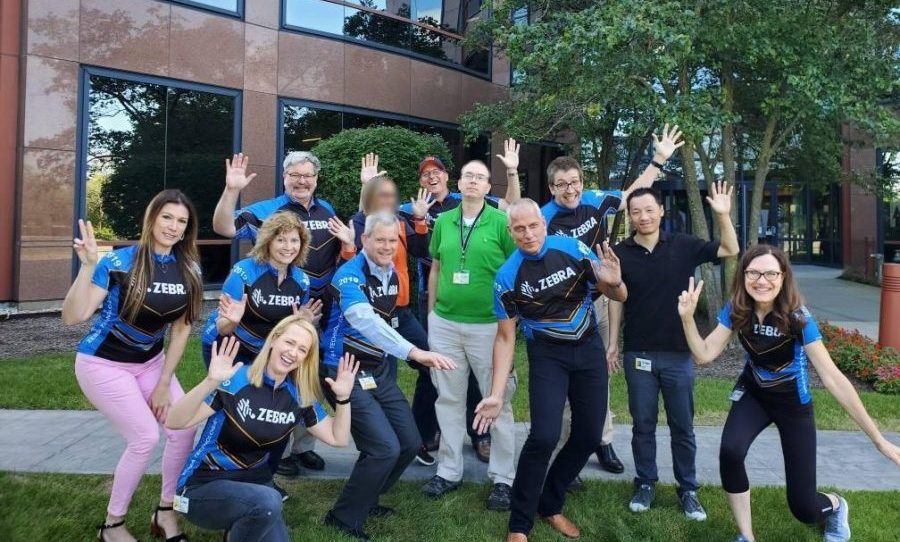
CCRF’s partner, Zebra Technologies, helped month-long cycling event Great Cycle Challenge engage thousands of cyclists and raise millions of dollars during Childhood Cancer Awareness Month in September. To date, the Zebra team of 453 riders has raised $190,579 over five years.
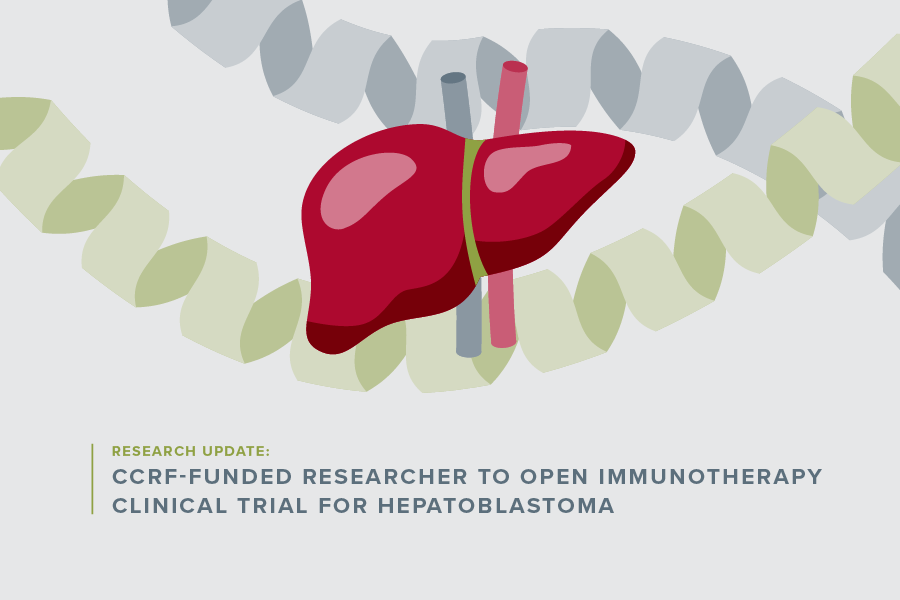
CCRF-funded researcher to open immunotherapy clinical trial for hepatoblastoma
O’Neill, a recipient of the Emerging Scientist Award from Children’s Cancer Research Fund (CCRF), is studying a new therapy to treat children with relapsed or refractory hepatoblastoma and hepatocellular carcinoma.
“There is a real need for improved therapies for these types of diseases. Currently, all we have is chemotherapy. There are very few targeted agents that work well,” she said.
8 new scientists will kickstart their projects thanks to CCRF
Many great ideas go unexplored in the childhood cancer world due to a lack of funding. Thanks to donors like you, eight new projects are poised to kickstart in just a few weeks.
Each year, Children’s Cancer Research Fund grants young, highly qualified researchers with $100,000 to help set up their labs and launch their careers. Fewer and fewer scientists are choosing to embark on academic research, so it is more important than ever to invest in this generation of scientists today.
Setting the Stage for First-Ever Targeted Treatment of an Extremely Rare Sarcoma
Dr. Okimoto studies a deadly subset of sarcoma, cancer that develops in the bone or tissue, called CIC-DUX4 sarcoma. He estimates only about 100 cases exist worldwide, and even fewer in the United States. This particular cancer is so understudied that scientists do not have a clear picture of how widespread it is.
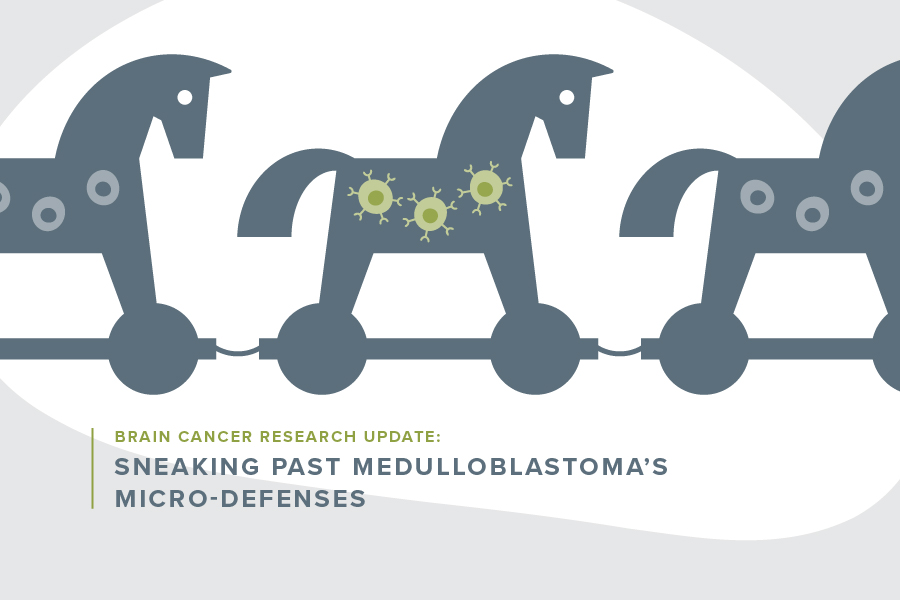
Sneaking past medulloblastoma’s micro-defenses
CCRF Emerging Scientist Award winner Giedre Krenciute is developing a Trojan horse of sorts to sneak past medulloblastoma’s armed defenses and kill tumor cells. She plans to change a patient’s special immune system cells, called T-cells, by transforming them into CAR T-cells or cells that can recognize and kill the cancer.
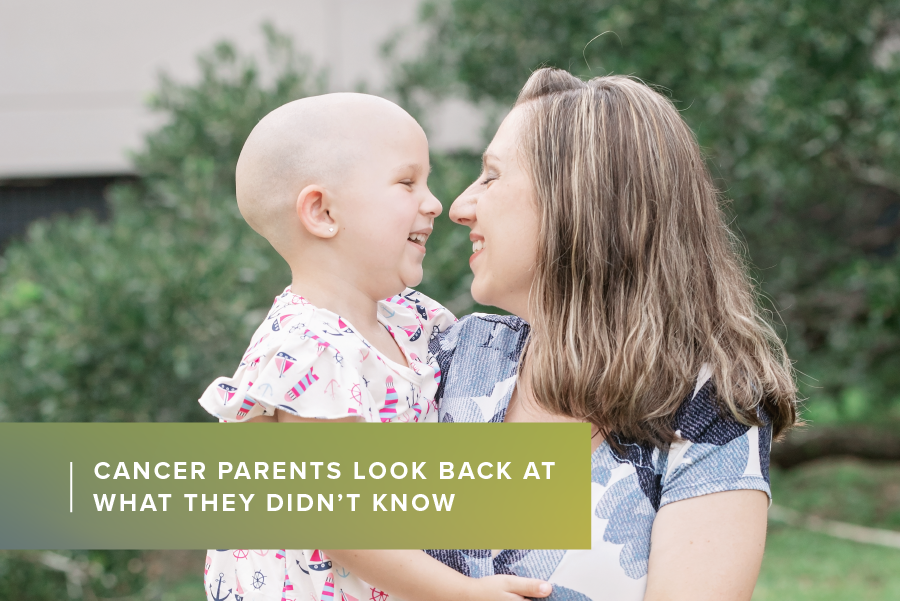
Cancer parents look back on what they didn’t know
Every parent of a child fighting cancer has a different story. But one thing we hear over and over when talking to cancer families is this…
“I hardly knew anything about childhood cancer before it happened to my child.”
In honor of Childhood Cancer Awareness Month this September, we asked parents of kids fighting cancer to look back and remember a time where they didn’t know, and tell us what they’ve learned since then. Here are their responses.
CCRF-funded researcher uses microscopic protein pathways to beat graft-versus-host disease
Kids like Alex often need blood or marrow transplants (BMTs) as part of their treatment plans. Typically, these transplants use immune cells (T-cells) from a donor, like a sibling or a match from a registry.
After a transplant, a few things could happen: the donor cells will attack primarily the child’s cancer cells (or “bad cells”) in her body and/or the donor’s cells will attack the child’s healthy (or “good”) cells.
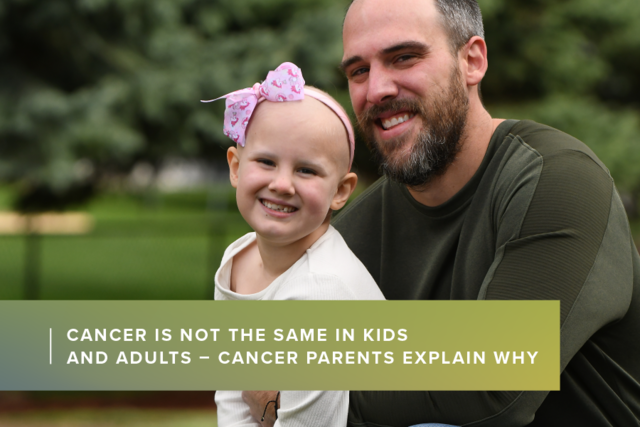
Cancer is not the same in kids and adults – cancer parents explain why
No matter what age someone is at diagnosis, cancer is devastating. But when it comes to treatment and research, childhood cancers and adult cancers are not the same. In honor of Childhood Cancer Awareness Month this September, we asked a handful of cancer parents to help explain why cancer in kids is different than cancer in adults – and what you can do to help kids fighting cancer.
Ella’s Story – Facing Fear and Taking Action
Ella’s parents, Christina and Joe, remember the morning their cancer experience started – they woke up to four missed phone calls from their daughter’s pediatrician.
The day before, they’d taken 1-year-old Ella to the doctor for an ear infection, which wasn’t uncommon – but since Ella had looked a little pale lately, they also asked doctors to run a blood test to make sure everything was okay. The pediatrician had run the tests and found that Ella’s white blood cell counts were off the charts. They were calling with the news that this was a clear indication of leukemia.
Sara’s Story – What it Means to Survive
Sara Maas vividly remembers walking out of her doctor’s office the day she was diagnosed with cancer. She had just returned from her honeymoon with her new husband, Jason. She was walking out of the lobby area of her primary care doctor’s office to see the hematologist, who would give her the news that she had cancer. She didn’t know the news she was about to get, but others in the office did.
“I remember it so clearly – there were three people working there, all standing, quietly, apart from each other, who stopped what they were doing and somberly watched us walk down the hallway,” Sara said. “Jason got a feeling from the way they were looking at us – we were about to get really bad news.”
Researchers investigate existing drugs to treat AML more safely
The last time Children’s Cancer Research Fund donors heard about Ani Deshpande, Ph.D. assistant professor at Sanford Burnham Prebys Medical Discovery Institute in California, he received funding from CCRF to research targeting previously ‘undruggable’ proteins in acute lymphoblastic leukemia.
That research served as a springboard into a new project, which received CCRF’s Emerging Scientist Award in 2021. Deshpande and his postdoctoral fellows Bryan Chen and Deshpande have found another potential treatment that could help children fighting the deadly pediatric leukemia. The findings are published in the journal Blood.
Crossing international borders in retinoblastoma research
For kids, rare means fewer doctors understand how to treat their disease, it’s difficult to find and develop better treatments, and hard to track outcomes. This is especially true for retinoblastoma, an eye cancer which affects 200 to 300 kids each year in the United States.