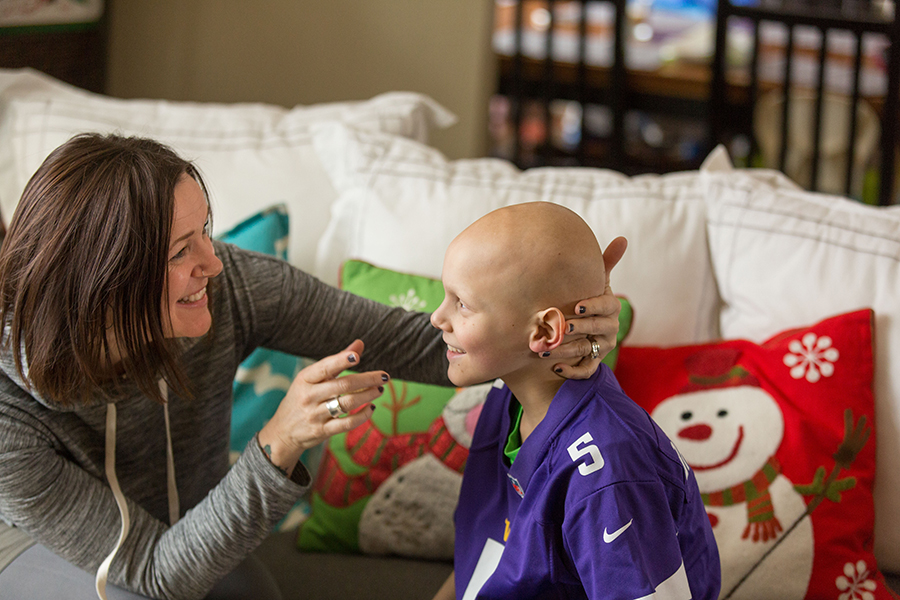
Michelle Vaith originally gave this speech at CCRF’s Thanks to You event in September 2018. After 859 scary, grueling and extremely stressful days of cancer treatment, our daughter Brooklyn made it to the finish line. Brooklyn was diagnosed with blood cancer at just 2 years old and finished treatment for high-risk acute lymphoblastic leukemia (ALL) just in time for her fifth birthday. After living through …
CCRF Supports 4 New Emerging Scientists
Young scientists who want to dedicate their careers to finding better treatments for children with cancer face a tough road. Young researchers, who may not have as much of their own published research to make them stand out, rarely receive funding early in their careers. This means great ideas can go unexplored for years until the researcher has published enough of their own work to …
Less Toxic Treatments for Children with AML
Every so often, as Dr. Cara Rabik is in her lab studying better treatments for acute myeloid leukemia (AML), she thinks of a patient she had when she was a resident years ago – the person who is the reason she’s studying this disease today. This patient was fighting AML, a type of leukemia that is less common in children than other types of leukemia, …
Starving Cancer Cells – Blocking Glutamine in Aggressive B Cell Lymphoma
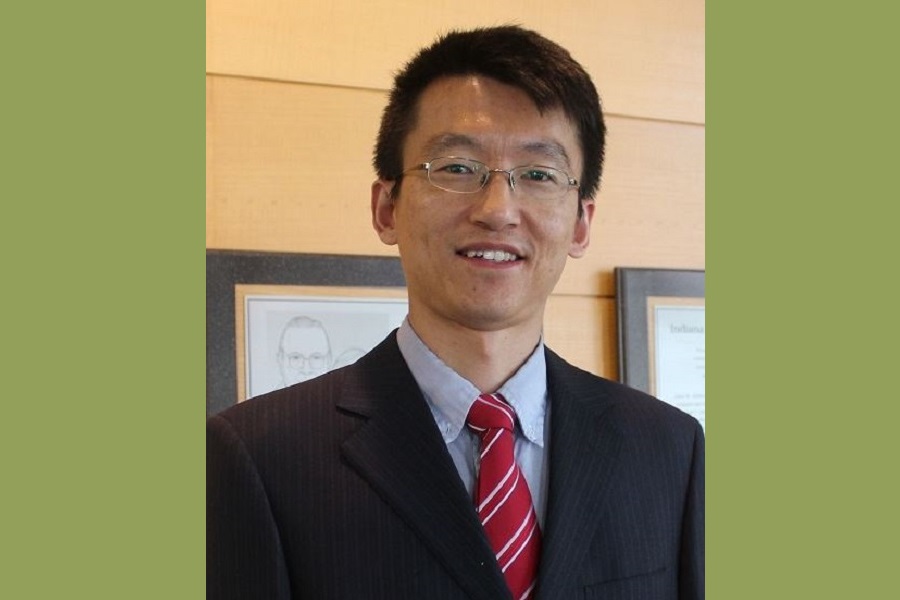
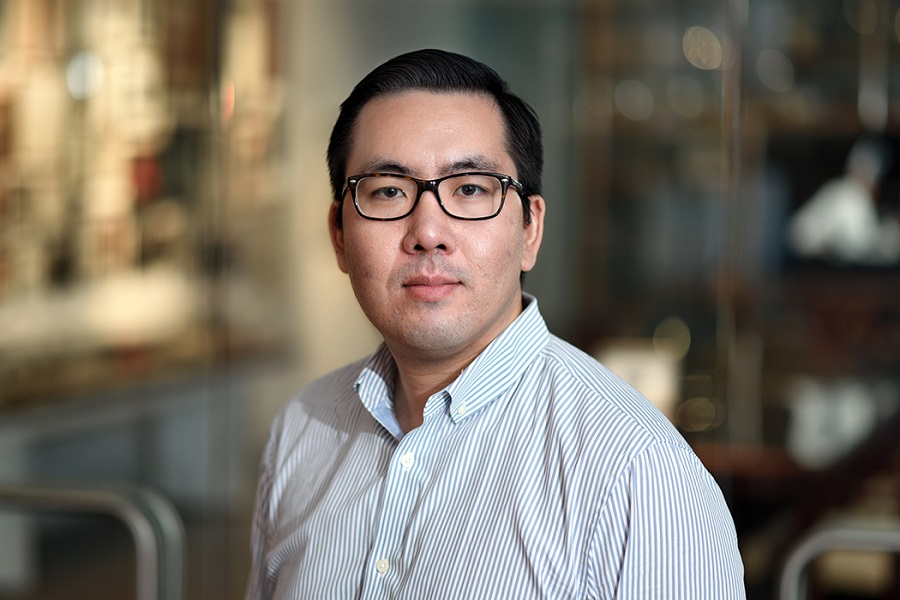
Glutamine, an amino acid, is in many of the foods we eat, like eggs, beef and milk. We need it to build proteins that make up our organs, it helps us heal from certain kinds of injuries and it supports immune system functions. However, for patients fighting aggressive B cell lymphoma, it may also feed the fast-growing cancer cells in their bodies. Ji Zhang, PhD, …
A Better Target – Making Ewing Sarcoma Cells Sensitive to Chemotherapy
“Relapse.” “Metastatic.” These are the dreaded words too many Ewing sarcoma patients hear after weeks, even months, of cancer treatment. Patients with metastatic (cancer that is found in multiple sites in the body) or relapsed (cancer that comes back after treatment) Ewing sarcoma have a very poor prognosis, and Kelly Bailey, MD, PhD dreads telling her patients. “When they’re first diagnosed, there’s so much hope,” …
Jacob’s Story – Becoming a Hero
On an otherwise unremarkable day in June 2015, Nicole noticed something about her son that seemed harmless at first – he was limping. She wasn’t immediately alarmed, but some mother’s instinct told her that this wasn’t normal. She took him to see the doctor, who ordered more tests. After four days of bouncing from urgent care to Jacob’s primary care doctor, and after blood tests …
Making the Most Impact – Treating Childhood Brain Tumors
Texas Childhood brain tumors are the deadliest of all childhood cancers. They cause the most cancer-related deaths in children, and for patients with the most aggressive forms of this disease, there is currently no lifesaving therapy available. Some may see this as one of the less hopeful areas of cancer research – but Stephen C. Mack, PhD, from Baylor College of Medicine and Texas Children’s …
Nolan’s Story – Why Research Matters
Nolan, then just 16 months old, had labored breathing in the few weeks before Labor Day 2015. Originally thinking it was asthma, his parents, Peter and Lydia, took him to the local emergency room where doctors ordered an x-ray. The news they received was terrifying in its uncertainty. “They told us Nolan had a significant mass in his chest,” Peter said. “They didn’t say ‘cancer’ …
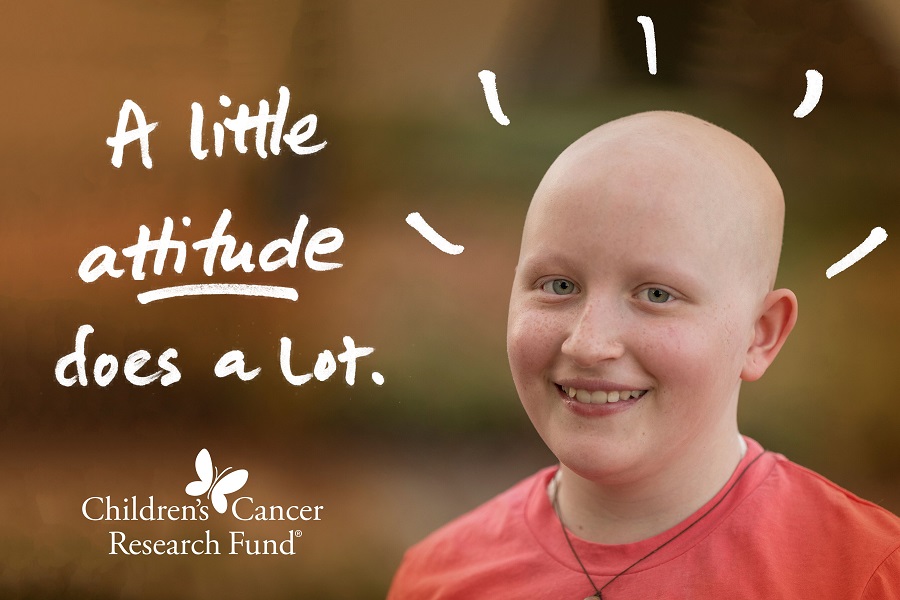
Gabby’s Story – The Power of “Gabbitude”
Chemotherapy is pretty nasty, but has yet to take down what 13-year-old Gabby’s mom calls her “Gabbitude.” Gabby is feisty and always tells it like it is, so her mom, Kristi, worried when she started complaining about pain in her right knee last October… Kristi thought it was just growing pains but after a few weeks Gabby had a noticeable limp. Kristi took her to …
Izzy’s Story – One in a Million
In December 2016, Amanda and Jeremy celebrated the birth of their twins, Isabelle (Izzy) and Isaiah. Just over a year later, they were back at that same hospital, receiving heartbreaking news. Izzy had what her parents thought was some kind of diaper rash. Several doctor visits and multiple tests later, Amanda and Jeremy still didn’t have answers. When Izzy’s rash turned to bleeding, her parents …
The Ultimate Act of Generosity
Susan Doherty’s son Elliott was diagnosed with hepatoblastoma at age 11. Susan now sits on the Children’s Cancer Research Fund Board of Directors. Every year in June, I take a moment to silently thank two families who, though I barely knew anything about them at the time, saved my son Elliott’s life. Elliott was diagnosed with hepatoblastoma (liver cancer) when he was 11 years old. …
Making “Big Dreams” Come True
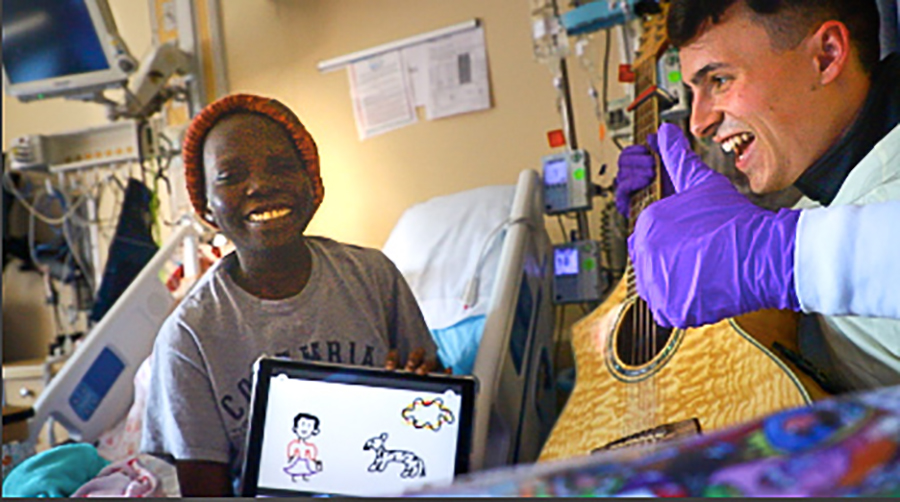
Living as a zebra, becoming a tomato head man and jumping into a video game – these are just some of the imaginative ideas that James Orrigo has helped kids fighting cancer bring to life on his “Big Dreams” tour. James has been traveling to hospitals around the country with a portable recording studio. He records the voices and ideas of kids fighting cancer, and …
20 Years Later, a Survivor’s Thank-You
While Melissa’s friends were enjoying high school, going to football games and touring colleges, Melissa was fighting not one, but two types of cancer. At the age of 17, Melissa was diagnosed with composite lymphoma, meaning she had both non-Hodgkin and Hodgkin lymphoma. She was the only female pediatric patient her doctors had ever seen with this diagnosis. Melissa, now healthy and more than 20 …
5 Ways to Help a Sibling of a Cancer Patient Feel Important
Being a sibling of a childhood cancer patient can be scary and confusing. Family dynamics change, schedules are unpredictable and schoolwork and activities can start to fall through the cracks. Many parents of kids facing cancer express guilt that their healthy children are unintentionally overlooked while they are forced to focus on their sick child’s immediate needs. There’s no way to consistently balance the attention …
Finishing Treatment Didn’t Feel as Good as We Thought
In April 2014, doctors found a mass in Joe’s left kidney. Two months later, he was formally diagnosed with metastatic Ewing sarcoma. After he recovered from surgery to remove his kidney, we moved to chemotherapy. When chemotherapy finished, Joe had scans and we went to his appointment to discuss radiation. We were blindsided when Dr. Staddon said radiation wasn’t necessary after all. Confused, we looked …
It’s Ok – Fearing What Comes After the Hospital
I never wanted to be in the hospital. Nothing about leaving my home for a week, skipping school or missing Friday night football games to have poison drip into my body was enjoyable. I spent so much time in the hospital that my floor became a home. Although I did not want to be in the hospital, each time those elevator doors opened it was …
Improving Survivorship Care
Current research data suggests childhood cancer survivors are not getting the care they need, which can become life-threatening. “Survivors truly slip through the cracks,” said Karim Thomas Sadak, MD, MPH, MSE and director of the University of Minnesota’s Childhood Cancer Survivor Program (CCSP), supported by Children’s Cancer Research Fund. The CCSP aims to improve the lives of survivors, and to truly help them, Sadak said …
Dealing with ‘Scanxiety’
Whether your child has just finished chemo or they’re a 5-year survivor, scans are always scary. The potential of cancer returning is terrifying, especially when you know how difficult and devastating treatment can be. Scan anxiety, or what has become known as “scanxiety” can be crippling, even years after the end of treatment. If you or your child is experiencing scanxiety, try out some of …