How to find reliable cancer resources
Cancer and other health-related information, whether online or in print, should come from a trusted, credible source. Unfortunately, some websites and print media provide misleading or false information. We know how tempting it can be to fall down a Google rabbit hole, especially when a diagnosis is new and you want to know what you and your child are in for during treatment. It’s not …

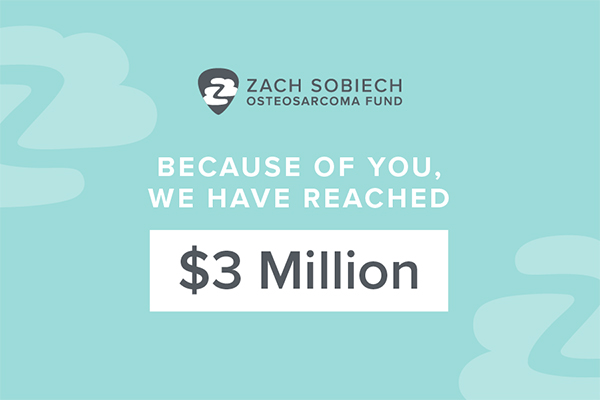
Zach Sobiech Osteosarcoma Fund Tops $3 Million

“I want to be remembered as the kid who went down fighting and didn’t really lose.” Zach Sobiech  The Zach Sobiech Osteosarcoma Fund, which funds groundbreaking osteosarcoma research nationwide through Children’s Cancer Research Fund, recently topped $3 million.   Before Zach passed away from osteosarcoma in 2013, he started the Zach Sobiech Osteosarcoma Fund, in the hopes that his legacy would make cancer treatment safer …

CCRF Announces new members joining Board of Directors and Research Advisory Committee 

CCRF is pleased to announce additions to the organization’s board of directors, board leadership and scientific advisors. John Golden, President of Crux Collaborative, Inc., is now serving as Vice Chair. He joins the board leadership team, which includes Susan Doherty, Chair, Dan Bartholet, Treasurer, Matt Hedman, Secretary, and Michelle “MJ” Johnson, Immediate Past Chair. The CCRF board also welcomes Abbie Miller, MD, Chief Medical Officer and Senior Vice President at PreferredOne, who has joined as a new board member.

What I’d tell myself about the first months of leukemia treatment

Do you ever have flashbacks of remembering how you felt during the first few weeks, even the first months after hearing the words, “your child has cancer”? I do. It is fresh in my mind how bewildered I felt and how alarmed I was by each side-effect that my daughter experienced. I wondered with despair, ‘Is this just our life now?’ ‘Is this our new daughter?’

Showing love throughout the cancer journey

When a child is diagnosed with cancer, the whole family faces challenges they never knew existed – but they also find love and strength they didn’t know they had. Here, parents share how they have experienced and offered love throughout their child’s cancer journey.   Showing Love Through Family and Community Support A child’s cancer diagnosis sends a ripple effect through everyone who loves them …

2021 Hard-to-Treat Award Winners

The Hard-To-Tread Award is a grant intended to support projects that enable the prevention, early detection and effective treatment of pediatric cancers that remain hard-to-treat. While treatment success has improved for many cancers, survival rates and therapy options have not changed for some cancers, including brain tumors, sarcomas, and acute myeloid leukemia. Each award is $250,000 over a period of 24 months.   Each year, CCRF …

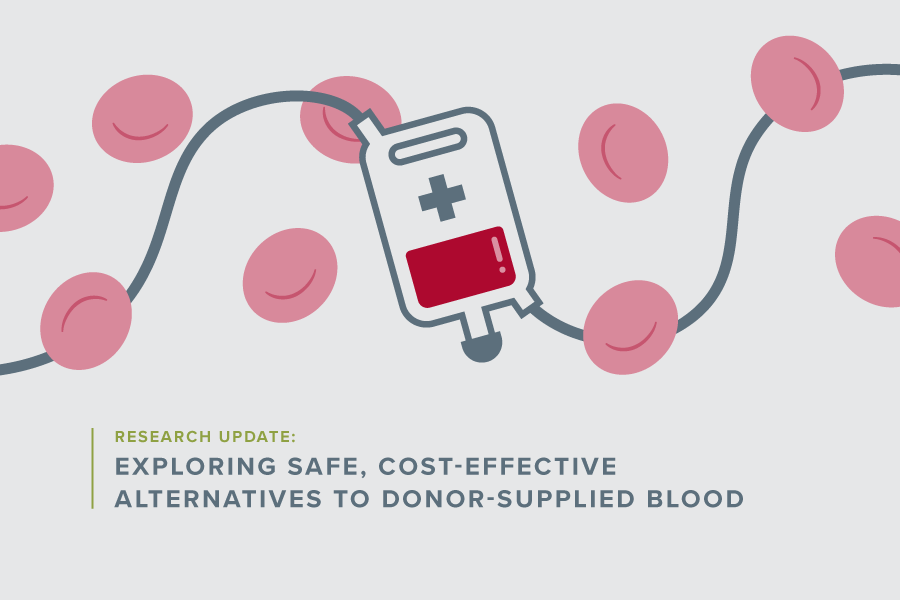
Exploring safe, cost-effective alternatives to donor-supplied blood

Cancer and the therapies used to treat it can alter the delicate blend of a child’s blood proteins. As a result, children with cancer often require transfusions of blood or blood products, which are frequently in short supply because of a national donor blood shortage. “All in all, donor-derived blood products are hugely problematic,” Feser explained. “Because these products are sourced from the pooled blood of multiple volunteer donors, they are expensive, lack uniformity, require extensive pathogen screening and are not concentrated, making them especially problematic for pediatric patients.”

How to find a cancer support group that’s right for you

Cancer support groups are meetings for people with cancer and anyone touched by the disease. Even though many cancer patients receive support from friends and family members throughout their journey, joining a cancer support group can be very beneficial. The number one reason people join is to be with others who have similar cancer experiences.   Types of Support Groups  Some support groups focus on all …

Catching infant neuroblastoma earlier for better outcomes

Even before a baby is born, neuroblastoma can start to quietly creep through their nerve cells, growing into a tumor that might go undetected for months or even years. Infants and young children whose disease is classified as high-risk — where the cancer has spread and cannot be surgically removed — face some of the worst survival rates of childhood cancers. But what if a …

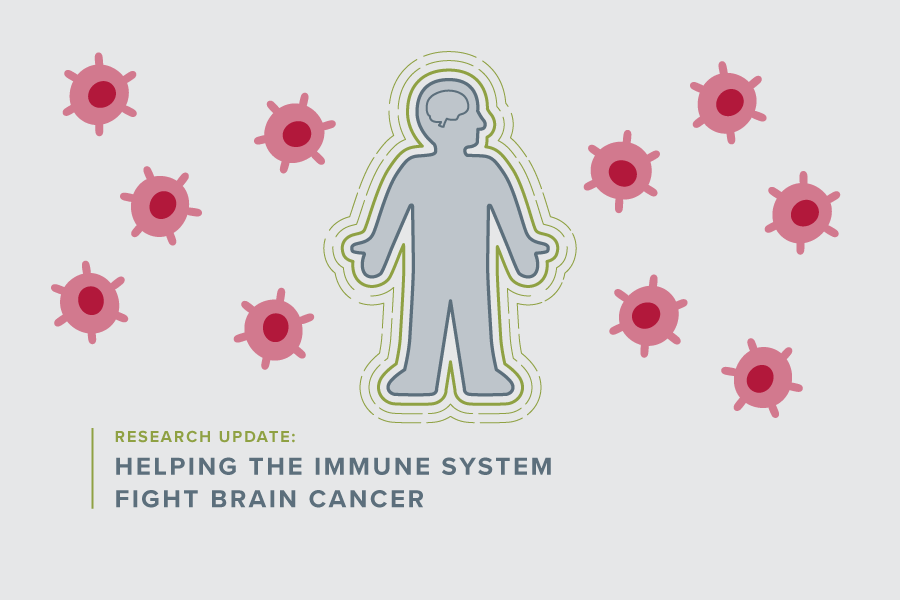
Helping the immune system fight brain cancer

Even as a college student volunteering in the cancer ward of his local children’s hospital, Robert Galvin, MD, knew he wanted to become a pediatric oncologist. But it wasn’t until his pediatric residency, when his wife was diagnosed with an aggressive brain tumor, that the power of cancer research truly hit him. After all the standard treatments failed to stop the cancer, the young couple …

Our top 5 research wins of 2021

It’s up to you to make a difference for kids fighting cancer – and in 2021, you delivered. Because of you we funded 40 new research initiatives that will make the childhood cancer experience easier for kids and families.

Here are our top 5 childhood cancer research wins of 2021.

How to reclaim your identity after being a cancer caregiver

As a cancer caregiver, you spent many hours supporting and caring for your loved one while they went through treatment. Now that your chapter of caregiving has ended and treatment is finished, you may feel uncertain about what to do next. Here are some tips that may help you during this transition time:

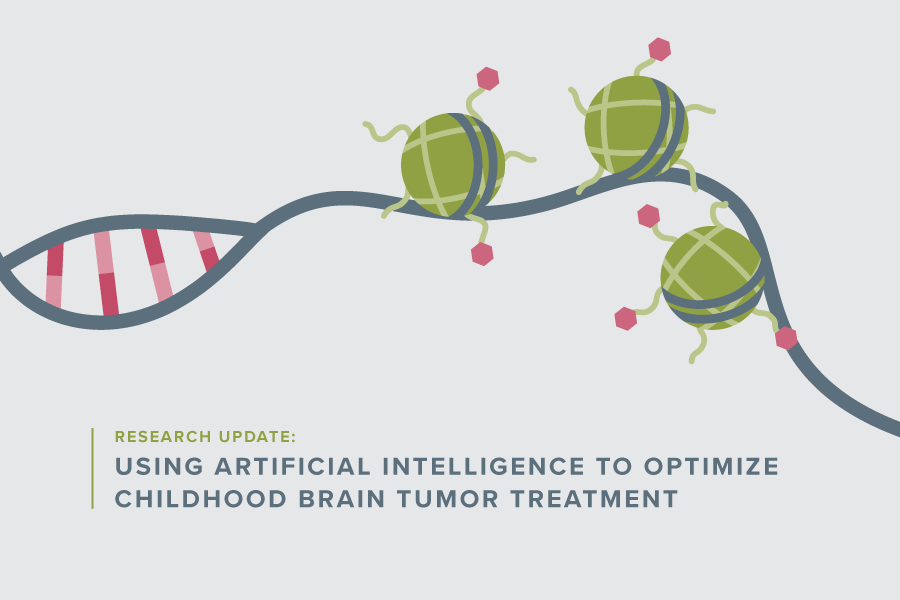
Using artificial intelligence to optimize childhood brain tumor treatment

Brain tumors recently rose to be the most common cause of cancer-related death in kids. Those that survive can develop serious negative late-term effects including neurological and cognitive defects that can last a lifetime, heart problems and secondary cancers. Unfortunately, harsh treatments are sometimes responsible for these bleak outcomes. “Under- and overtreatment is a big problem,” Dr. Hovestadt says. “Patients can really suffer if the tumor is overtreated with chemotherapy and radiation. But, undertreating means that you give the tumor a chance to grow back, and the patient might actually die from the disease. It is really important to have good predictions of how individual patients will do.”

Our 7 best holiday fundraiser tips and tricks

Meg McElroy says she started raising money for CCRF somewhat on accident. Since 2009, she’s hosted an annual holiday party to keep college friends coming together and include new friends she’s made along the way. When the party outgrew her small NYC apartment, she decided to turn the event into a party with a purpose. Leading up to the event, she sends out messages about …

Improving communication and trust between cancer families and care teams

Communication breakdowns between patients, parents, doctors, nurses and other medical professionals could result in unnecessary stress and anxiety, or even decisions that could lead to physical harm. Communication is simply vital to positive childhood cancer outcomes. Until now, no one has developed tools to measure the many aspects of communication in childhood cancer. Dr. Sisk is developing these measures, which will be the first of their kind.

Dream Further Campaign hits $2 million for cancer survivorship research and care

When childhood cancer survivor Ted Sibley finished his cancer treatment as a teenager, he received a t-shirt that said, “Finish Line.” He was proud to have reached the end of a long and difficult period of treatment – but his journey didn’t end there. Ted faced late-effects from his cancer treatment, and often didn’t know where to go to get specialized survivorship care.

In early 2021, CCRF launched the Dream Further campaign to raise $2 million for much-needed survivorship research and care coordination. In November 2021, with the help of a passionate community of supporters, the Dream Further campaign reached its ambitious goal.

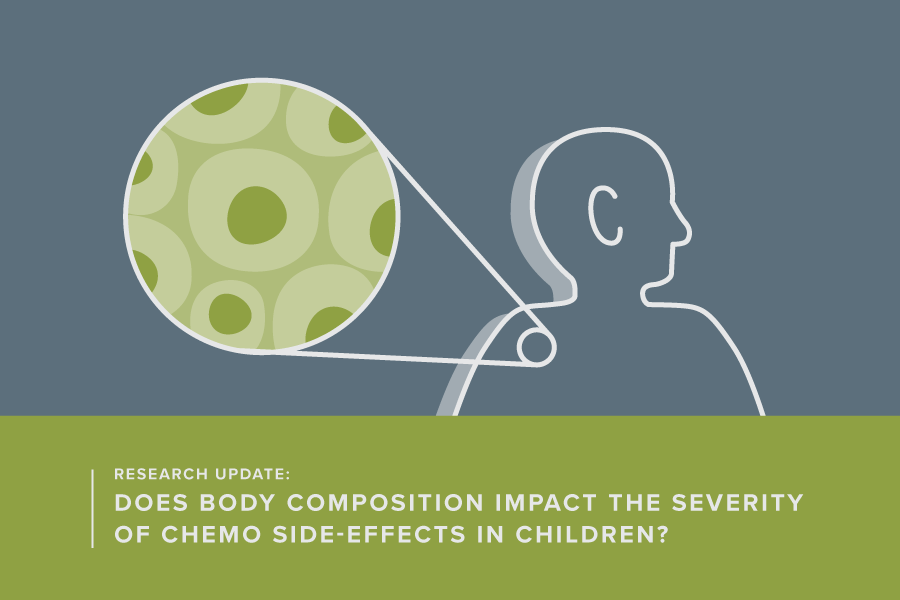
Does body composition impact the severity of chemo side-effects in children?

The research questions started to percolate for pediatric oncologist Aman Wadhwa, MD, MSPH, as he made his rounds of the pediatric oncology unit at Children’s of Alabama. “One of the things I really noticed in my first year was there was wide variation in who gets side effects from cancer treatment and how severe,” he said. “I could have patients with the same diagnosis, and …

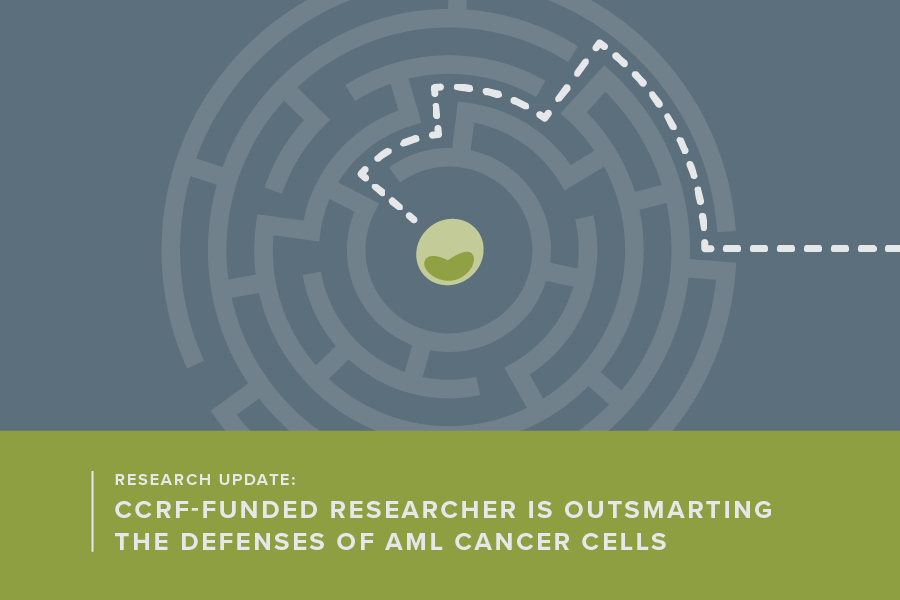
CCRF-funded researcher is outsmarting the defenses of AML cancer cells

Shannon Conneely, MD, a pediatric hematologist-oncologist at Texas Children’s Hospital and researcher at Baylor College of Medicine, envisions cancer treatment like a maze with multiple exits. As chemotherapy drugs chase down the cancer cells, the craftiest of cells manage to find a back door out. Sometimes cancer cells temporarily stop dividing and grow “quiet” during treatment — only to return with a vengeance later. Conneely’s goal: …