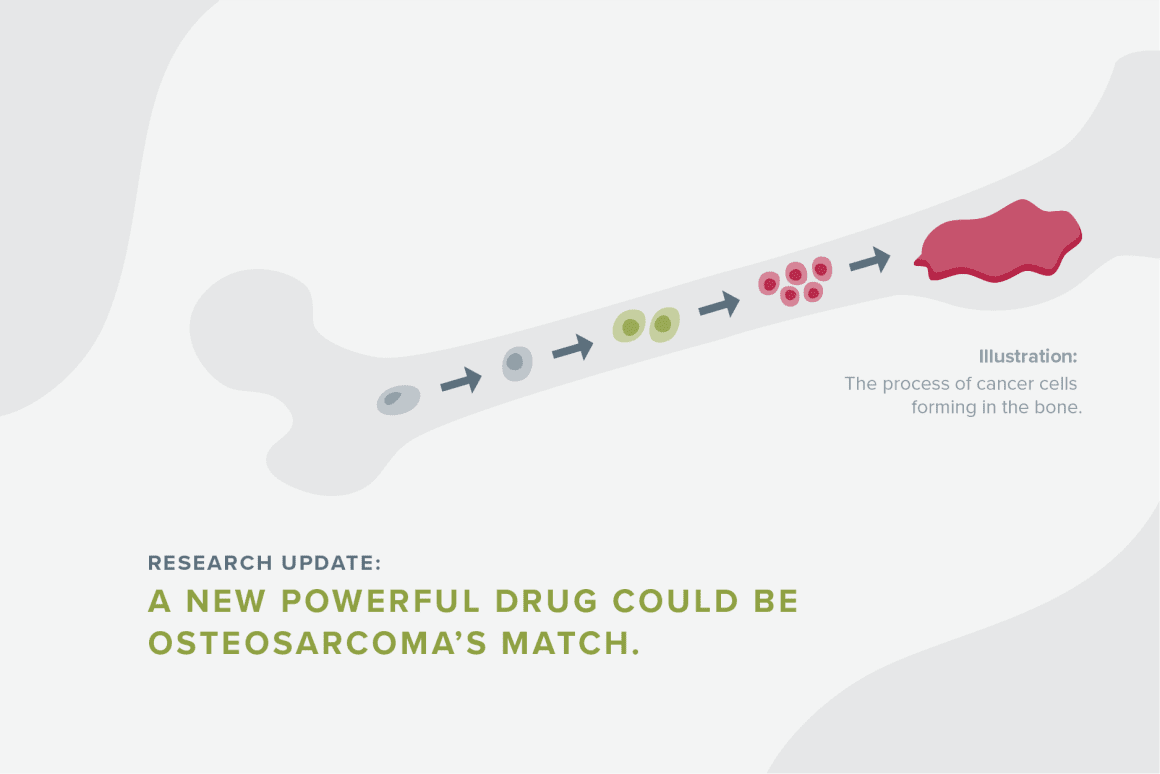
Alex Huang, MD, PhD has searched unceasingly for readily available drug options that could cure osteosarcoma in its deadliest form, so kids won’t continue losing their lives to ineffective drugs — the same ones that failed his cousin decades ago.
Ewing sarcoma research that began with CCRF funding is selected for multimillion dollar grant
Ewing sarcoma researcher Beau Webber, PhD, and epidemiologist Logan Spector, PhD were selected for a multimillion-dollar National Institutes of Health RO1 grant.
Noah’s Story – Fighting Acute Lymphoblastic Leukemia
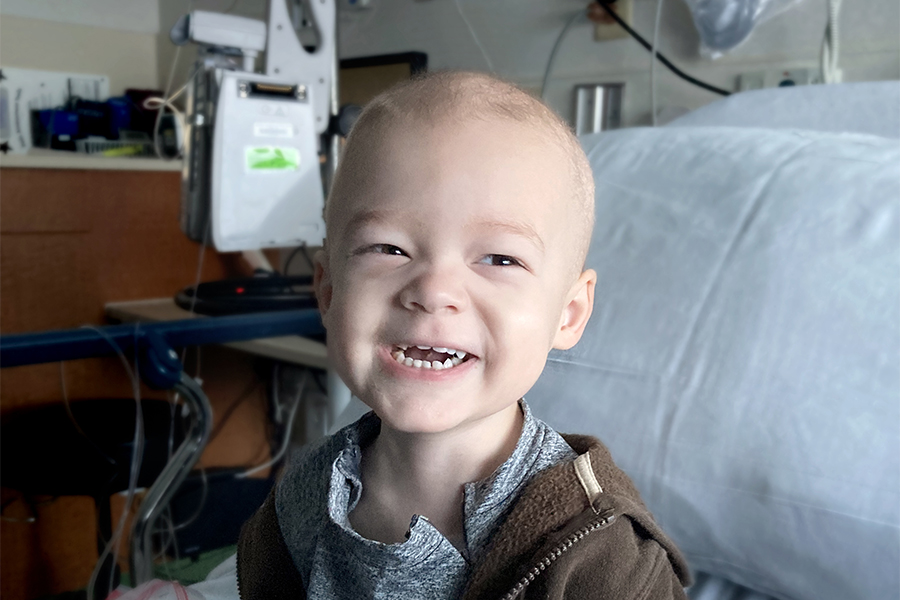
Two-year-old Noah is very much the baby of the family – his six older siblings love giving him attention and watching him learn new things. He usually has lots of energy, so when he started acting a little lethargic and a black eye he’d gotten from playing wasn’t going away, his parents, Amy and Ryan, scheduled a doctor’s appointment to see what was going on.
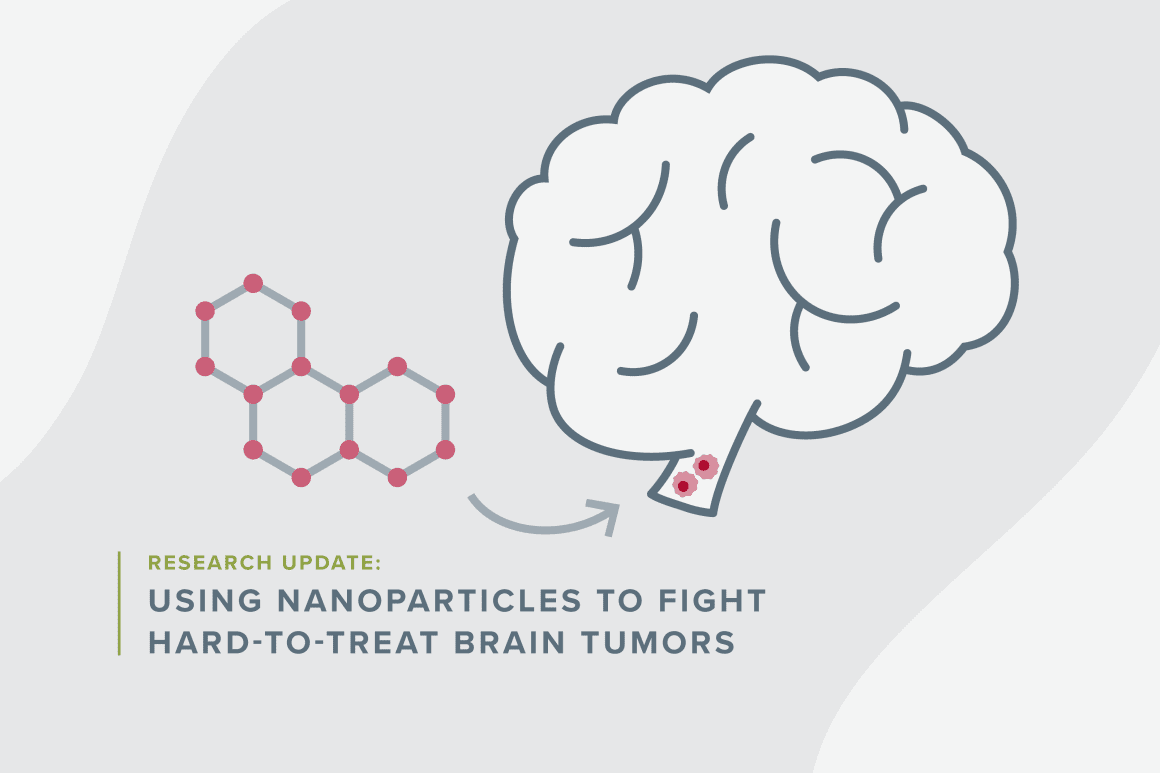
Using nanoparticles to fight hard-to-treat brain tumors
Pediatric neurosurgeon Peter Chiarelli, MD, PhD, who leads the Nanoscaled Neuro-technology Research Group at Children’s Hospital Los Angeles, is determined to find innovative ways to defeat diffuse intrinsic pontine glioma (DIPG), a rare and currently incurable brain cancer.
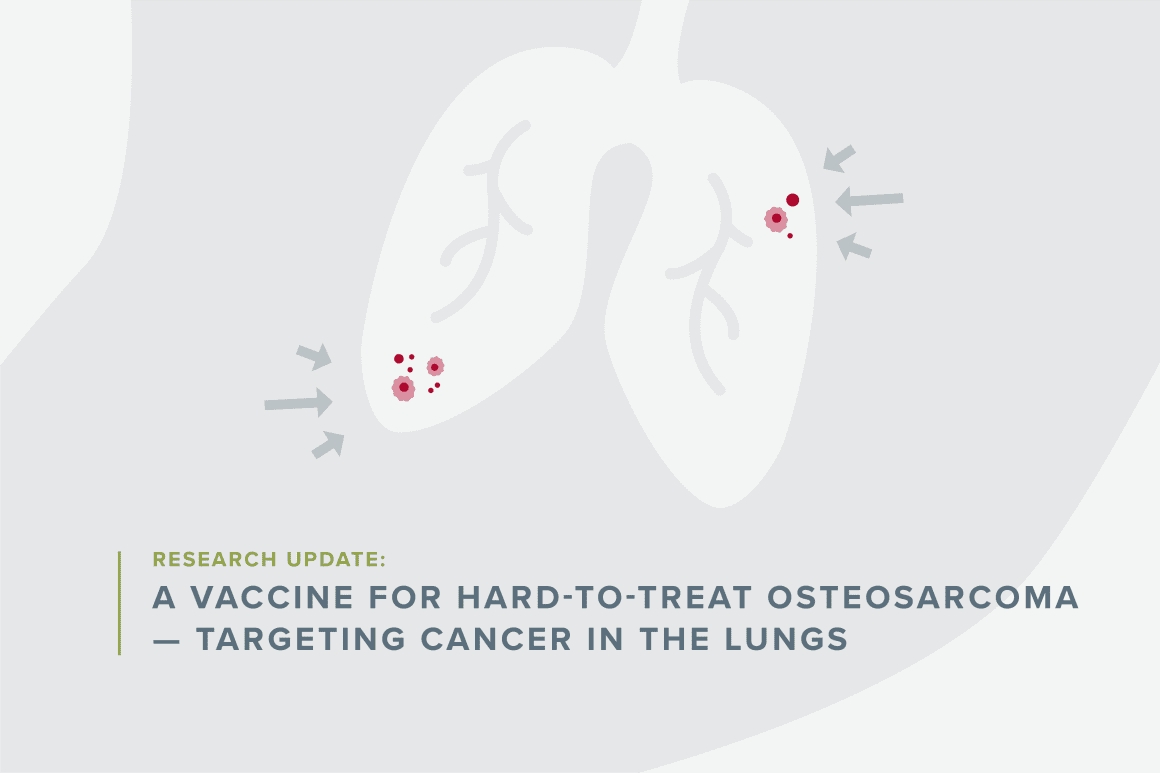
A vaccine for hard-to-treat osteosarcoma
Dr. Kleinerman is a professor of Pediatrics and Cancer Biology at University of Texas M.D. Anderson Cancer Center. With support from an Accelerating Impact for Hard-to-Treat Cancer Award from CCRF, she’s developing a novel vaccine to treat osteosarcoma that has spread to the lungs.
CCRF Awards Eight New Emerging Scientists
Through a selective granting process, Children’s Cancer Research Fund (CCRF) recently awarded these eight promising scientists the Emerging Scientist Award, each worth $100,000, to pursue their research.
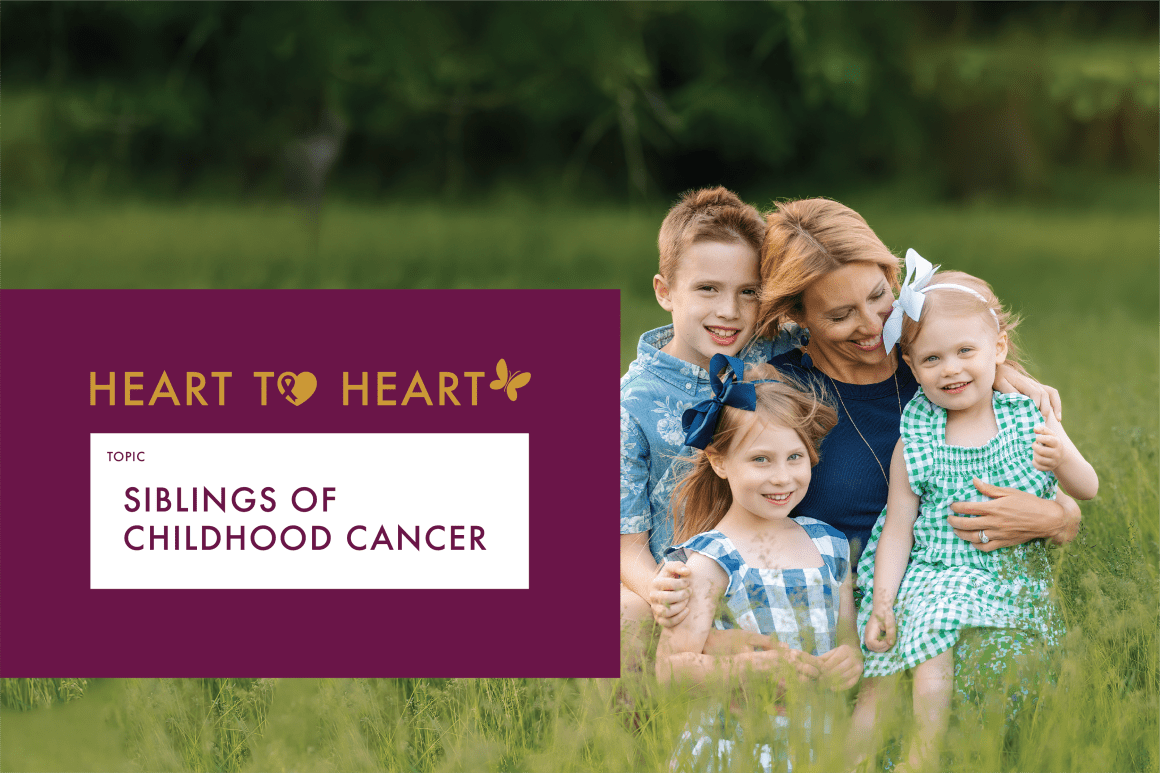
Siblings of childhood cancer
When a child is diagnosed with cancer, the balloons, presents and cards go to them, leaving their siblings with many conflicting emotions and a lot less time with their parents. In dealing with this new change, siblings can feel a wide range of emotions and not necessarily know how to handle them.
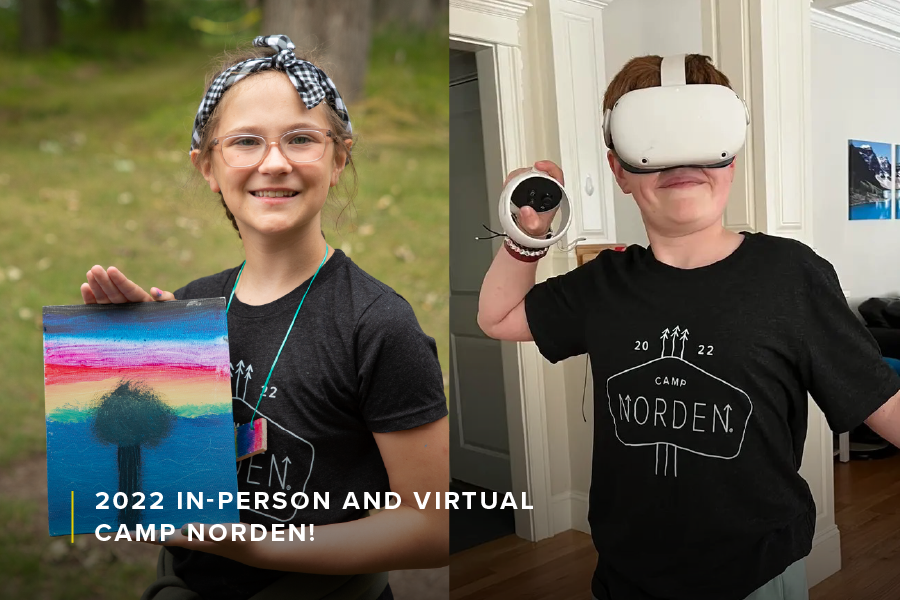
Camp Norden has a successful second year
This year’s Camp Norden was nothing less than magical. Whether campers gathered in-person in Crosslake, MN or through a virtual experience led by the inspiring and creative James Orrigo, all experienced new adventures and connections over five days this past August. Childhood cancer fighters and survivors aged 8-17 were invited at no cost to participate in classic camp experiences and high-tech virtual reality sessions to foster a community of acceptance and creativity all thanks to our amazing sponsors and volunteers.
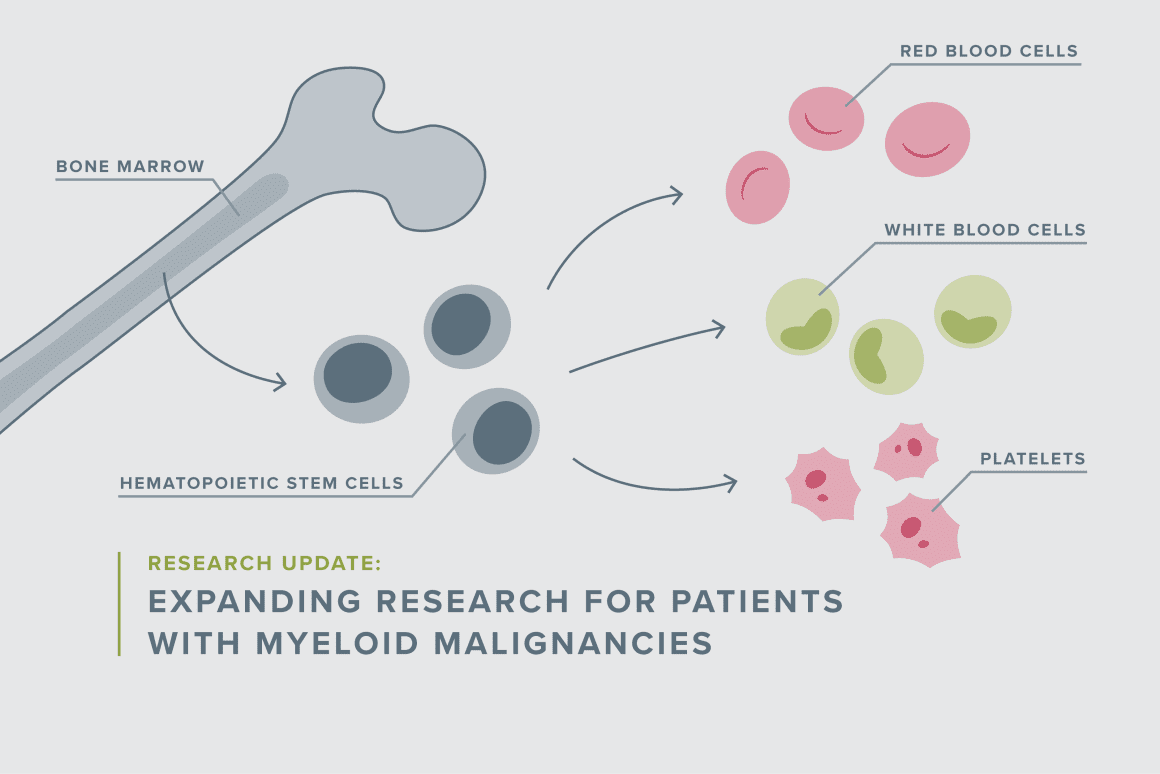
Expanding research for kids with myeloid malignancies
Dr. Jessica Pollard is determined to solve a puzzle: myelodysplastic syndrome (MDS), a bone marrow disorder that affects the development of healthy blood cells. It can occur because of a genetic disposition or develop after chemotherapy. “MDS is a condition that’s very rare in kids, and it’s associated with poor prognosis,” Pollard said. “We don’t know how best to treat it, and treating it just like AML [acute myeloid leukemia] is probably not the right approach.”
Four frequently asked questions about childhood cancer and their answers
Your questions answered.
Seven childhood cancer facts to share this Childhood Cancer Awareness Month
In honor of Childhood Cancer Awareness Month, we’ve gathered some facts and statistics about childhood cancer that you can share with your networks – because it’s all of us against childhood cancer, and the more we all know, the more we can do to fight it.
The Top Five Research Projects We’re Watching This Childhood Cancer Awareness Month
Childhood cancer is a big problem to solve – there are more than 12 types and more than 100 different subtypes of childhood cancer.
This means when it comes to solving the problem of childhood cancer – it takes all of us. It takes childhood cancer families, researchers, doctors, care teams, and communities to take steps towards better, safer cancer treatments for kids.
And thanks to you, we’re taking those steps. This Childhood Cancer Awareness Month, we’re celebrating these five research projects you helped us fund in 2022.
Two ways to take aim at childhood brain tumors
Dr. Okay Saydam, MSc, PhD, a researcher at the University of Minnesota, has been working on ways to beat brain tumors for the past 15 years. Thanks to Dream donors like you, he is taking aim at lethal brain tumors, including glioblastomas and another type of brain tumor called medulloblastoma. He will be doing this in two different ways: by catching and diagnosing them earlier and by finding ways to break down their strong, chemoresistant defenses with a new, more targeted drug.
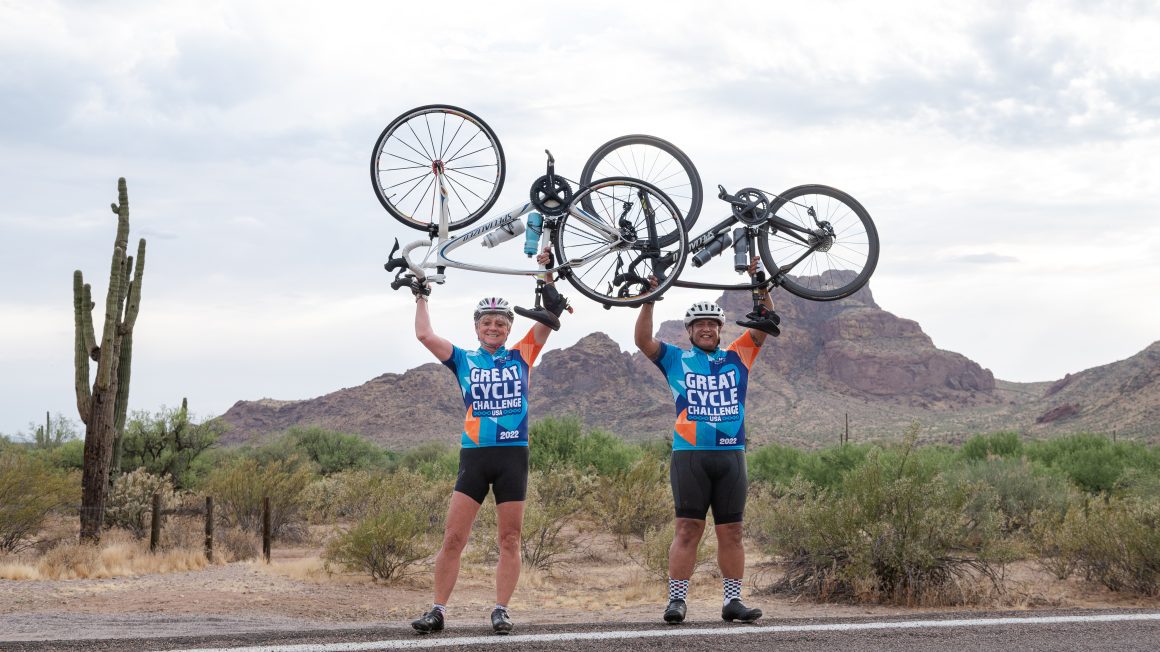
Great Cycle Challenge – Riding for Antonio
When Jeff and Kelly’s son, Antonio, was diagnosed with leukemia, they felt helpless and alone in their fear for the future.
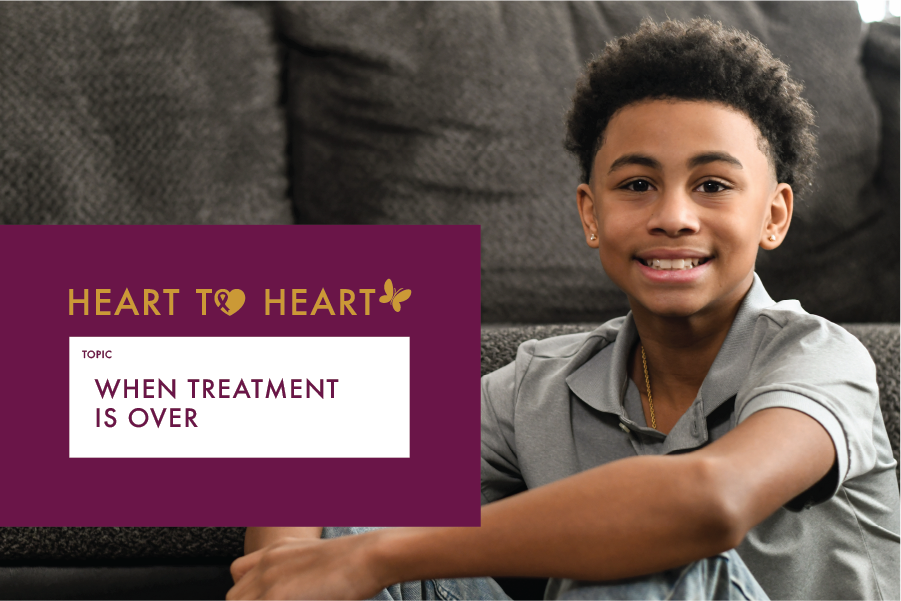
When treatment is over
Finishing treatment isn’t the end of the road for childhood cancer families. Both physical and emotional late effects of treatment can result in a complicated array of feelings about what the future looks like for your child. In partnership with Momcology, we asked moms whose children had cancer what their experiences and feelings are now that treatment is over, what the end of treatment means …
Targeting high-risk neuroblastoma in kids
When targeted therapies first began to emerge on the adult oncology scene, Anthony Faber, PhD was ecstatic about the possibilities. But after becoming a father, he wondered: How long would kids have to wait before getting their turn at less-toxic cancer treatments?
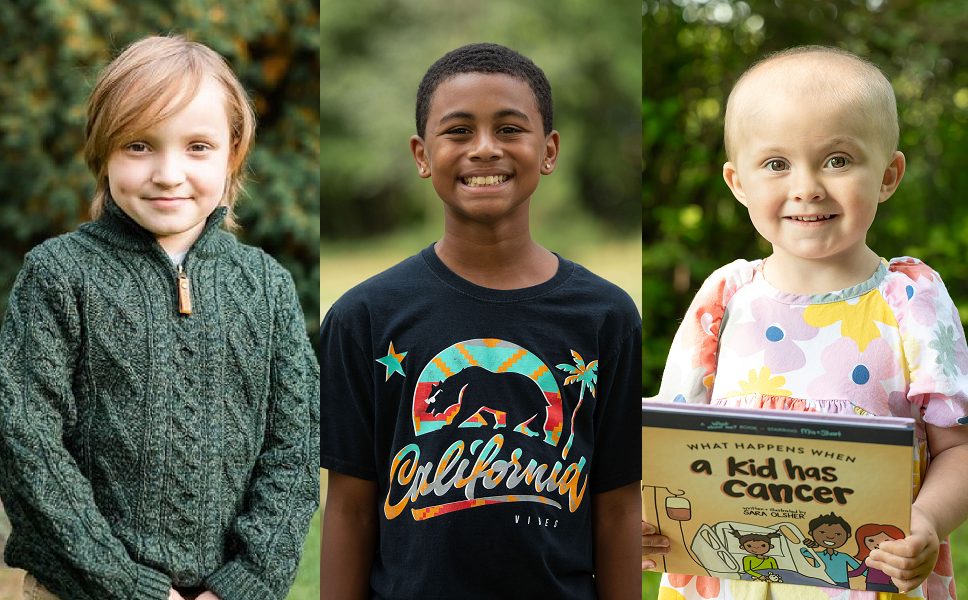
There is no “typical” childhood cancer experience
Every cancer parent remembers the moment they received the lifechanging news: “Your child has cancer.” But after that critical moment, no childhood cancer story is the same. We’ve gathered a list of some of the ways the childhood cancer experience can differ – due to age, race, family support, socioeconomic status and more. There is truly no “typical” childhood cancer experience, but the more we …
Anja’s Story – Fighting Hepatoblastoma
The day before Anja was diagnosed with cancer, she had been playing in her first ever snowfall. She was a happy, energetic 9-and-a-half-month-old with a love of Mickey Mouse and Bluey. She was considered advanced for her age. She’d always had on-and-off fevers and stomachaches, so when she spiked a fever yet again on New Year’s Eve, 2020 her mom, Nicky, took her to the …